Adult bed bugs can usually survive several months without feeding, and in cool conditions some can live up to about a year without a host. At normal room temperatures, most adults survive roughly 2–5 months without a blood meal, while young nymphs die sooner. Because they can wait so long, leaving a home or room empty is rarely enough to get rid of bed bugs—heat treatment, vacuuming, encasements, and professional treatment work far better.
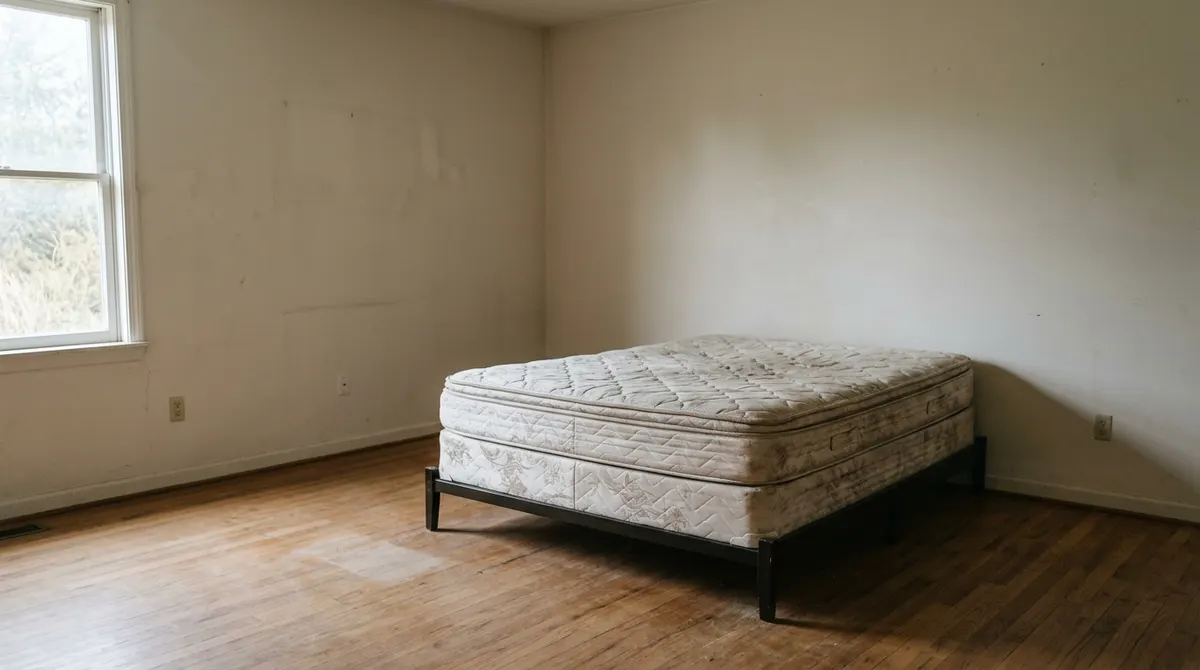
How Long Bed Bugs Survive Without Feeding
| Condition | Approximate survival |
|---|---|
| Adults at room temperature | Often 2–5 months |
| Adults in cool conditions | Can reach around a year |
| Nymphs (young bed bugs) | Weeks to a few months |
| Eggs | Hatch in about 6–10 days at room temperature |
These are general ranges reported in research and extension guides; survival depends heavily on temperature, humidity, and life stage.
Why Temperature Matters
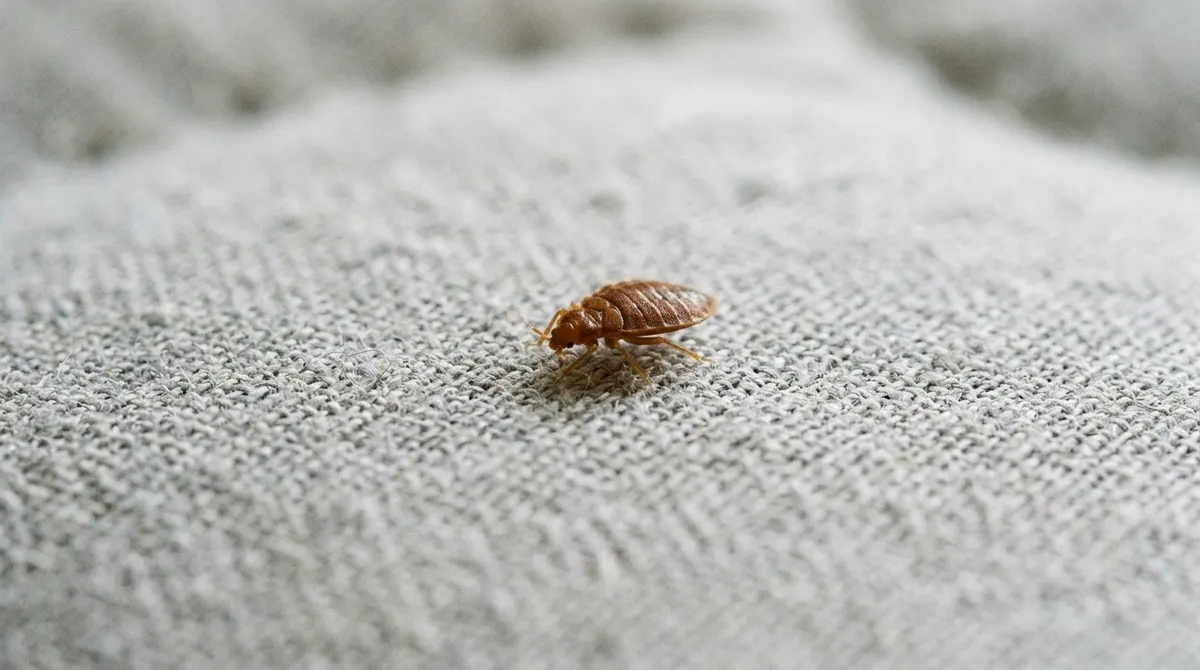
Bed bugs are cold-blooded. Cool temperatures slow their metabolism, so they burn energy slowly and survive longer without food. Warm temperatures speed up their activity and starvation. Very high heat kills them outright—that’s the basis of heat treatments and hot dryer cycles.
Can You Starve Bed Bugs Out?
Pros
- Leaving items sealed in bags can help kill bugs over time
- Combined with heat, it adds an extra layer of control
- No chemicals needed for sealed items
Cons
- Adults can survive many months—sometimes up to a year
- Bugs may move to neighboring rooms or units to feed
- It delays real treatment while the infestation spreads
Better Ways to Get Rid of Bed Bugs
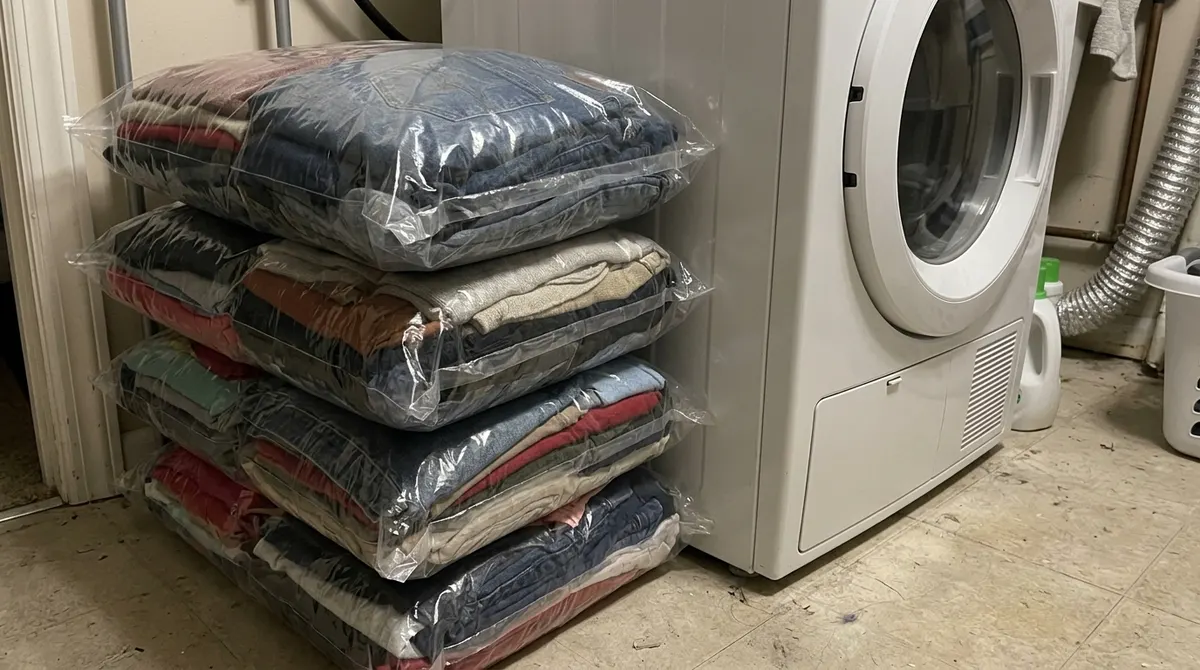
- Dry bedding and clothes on high heat for at least 30 minutes.
- Vacuum mattress seams, furniture, and baseboards; dispose of the bag outside.
- Steam-treat mattresses and furniture joints.
- Use bed-bug-proof mattress encasements for at least a year.
- Call a professional for heat or chemical treatment of established infestations.
Read more in our guide: does bleach kill bed bugs?