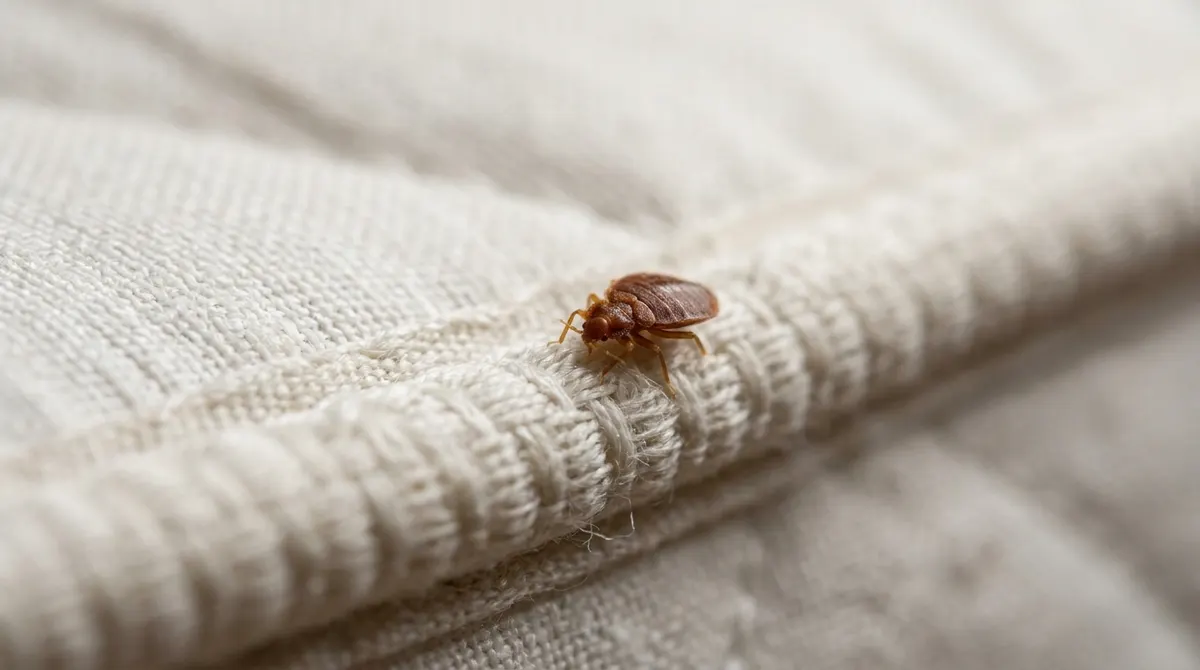
Yes, bleach can kill bed bugs and their eggs on direct contact, but it is not an effective way to get rid of an infestation. Bed bugs hide deep in mattress seams, furniture joints, and wall cracks where bleach can’t reach, and soaking furniture with bleach can damage fabric and create harmful fumes. Heat (laundering on high, steam), thorough vacuuming, mattress encasements, and professional treatment work much better.
Safety: Never mix bleach with ammonia, vinegar, rubbing alcohol, or other cleaners—it creates toxic gases. Don’t spray bleach on mattresses you’ll sleep on.
Why Bleach Isn’t Enough
- It only kills bugs it directly soaks.
- Most bed bugs hide in cracks, outlets, and furniture joints.
- Bleach damages and discolors mattresses, carpets, and upholstery.
- Strong fumes are harmful to breathe in an enclosed bedroom.
- Eggs and hidden adults survive and keep reproducing.
What Kills Bed Bugs Effectively?
| Method | How it works | Notes |
|---|---|---|
| Hot dryer | High heat kills all life stages | Dry bedding and clothes on high for at least 30 minutes |
| Steam cleaner | Hot steam penetrates seams and joints | Move slowly; great for mattresses and furniture |
| Vacuuming | Removes bugs and eggs physically | Use a crevice tool; bag and discard contents outside |
| Mattress encasements | Traps bugs inside to die | Leave on for at least a year |
| Interceptor cups | Catch bugs climbing bed legs | Good for monitoring |
| Professional heat or chemical treatment | Treats the whole room | Most reliable for established infestations |
How to Get Rid of Bed Bugs Step by Step
- Confirm it’s bed bugs: look for small reddish-brown bugs, dark spots (droppings), tiny eggs, or shed skins along seams.
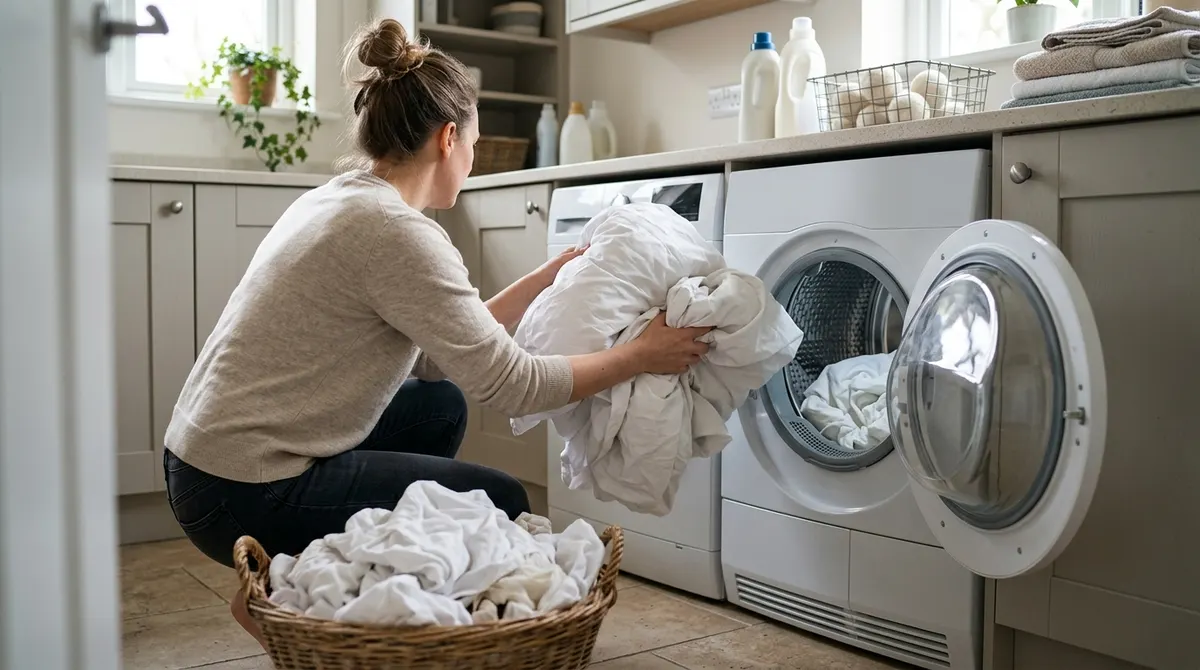
- Bag and heat-treat fabrics: wash in hot water and dry on high heat; dry-only items can go straight in the dryer.
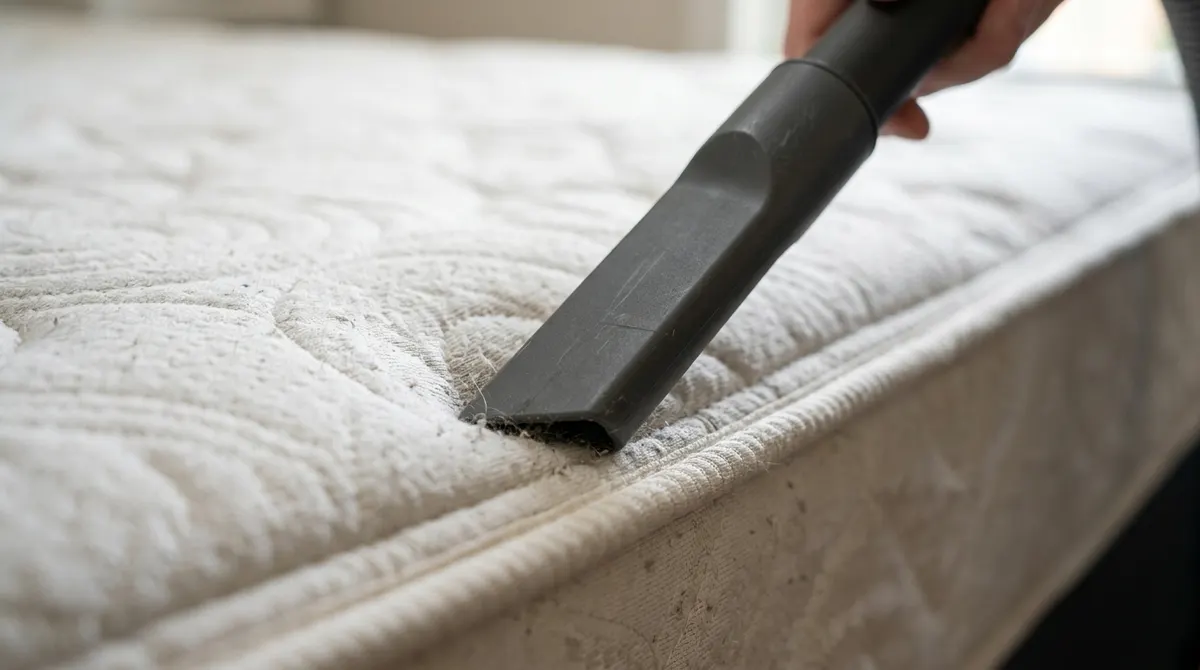
- Vacuum thoroughly—mattress seams, bed frame, baseboards, and furniture.
- Steam treat mattress seams and furniture joints.
- Encase the mattress and box spring in bed-bug-proof covers.
- Reduce clutter and seal cracks around baseboards.
- Monitor with interceptors under bed legs and repeat checks for several weeks.
- Call a professional if you still find bugs.
Bleach vs Professional Treatment
Pros
- Bleach kills bugs it contacts and disinfects hard surfaces
- Professionals reach hidden bugs and eggs
- Heat treatment can clear a room in a day
Cons
- Bleach misses hidden bugs and ruins fabrics
- Fumes are risky indoors
- Professional treatment costs more but works far better
Frequently Asked Questions
What will 100% kill bed bugs?
Sustained high heat kills all life stages, which is why professional heat treatments and hot dryer cycles are so effective. Whole-home infestations usually need professional treatment.
Does Dawn and rubbing alcohol kill bed bugs?
They can kill bugs on contact, but like bleach they don’t reach hidden bugs, and rubbing alcohol is very flammable. They’re not a solution for an infestation.
What cleaning products kill bed bugs?
Products labeled for bed bugs work best. Household cleaners only kill what they touch; heat and vacuuming are safer and more effective.
Can I spray bleach on my mattress for bed bugs?
It’s not recommended. Bleach damages the mattress, the fumes are harmful, and it won’t reach bugs deep in seams. Use steam and an encasement instead.
Can bed bugs survive washing?
Washing alone may not kill all of them, but drying on high heat for at least 30 minutes does.