

Yes, roaches sleep—or at least enter a sleep-like resting state. Cockroaches have an internal circadian clock and spend most daylight hours motionless in tight, dark cracks, then become active a few hours after dark to feed. Researchers have found that resting roaches are slower to respond to touch, and that depriving them of rest makes them less healthy—both hallmarks of sleep. Knowing this schedule helps you find and treat them where they hide.
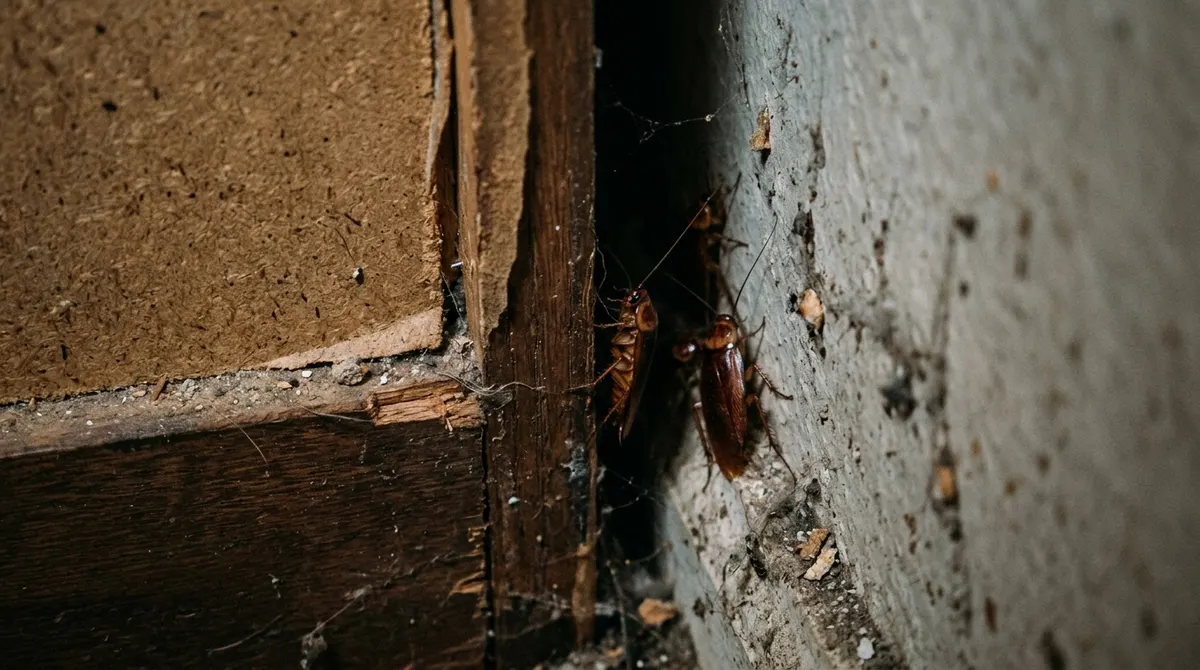
What Roach “Sleep” Looks Like
- Immobility: They stay still for long stretches, often with antennae lowered.
- Slower reactions: Resting roaches need a stronger touch before they run.
- Daily rhythm: A small cluster of brain cells in the optic lobe acts as a clock and times rest and activity.
- Group resting: Many species rest together in harborages, touching surfaces on top and bottom.
When Are Roaches Active?
| Time | Typical behavior |
|---|---|
| Daytime | Resting in cracks, wall voids, under appliances |
| Early evening | Starting to stir |
| A few hours after dark | Peak activity—foraging for food and water |
| Late night to dawn | Return to harborage and rest |
Warning sign: Seeing roaches in daylight often means the hiding spots are overcrowded—a sign of a large infestation—or that they’ve been disturbed by a treatment.
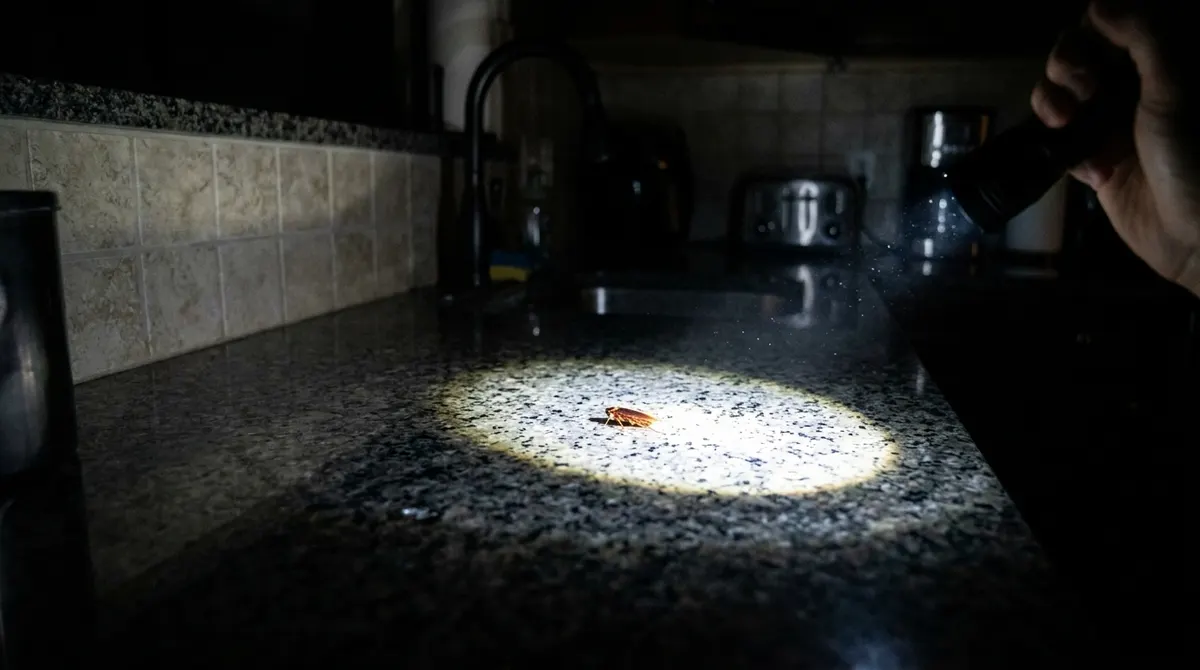
Where Roaches Sleep in Your Home
- Behind and under the fridge, stove and dishwasher
- Cabinet hinges, corners and gaps behind drawers
- Under sinks around plumbing penetrations
- Inside electronics and appliance motors (warm spots)
- Cardboard boxes, paper stacks and clutter
Outdoor species like wood roaches rest under bark and leaf litter—see how to get rid of wood roaches.
Using Their Schedule Against Them
- Do a night inspection with a flashlight to locate traffic routes.
- Place gel bait in small dots near (not on) hiding spots, where roaches will find it as they wake.
- Set sticky traps along walls and under sinks to monitor.
- Clean up crumbs, grease and standing water before bed so baits are the only food.
- Seal cracks with caulk once activity drops.
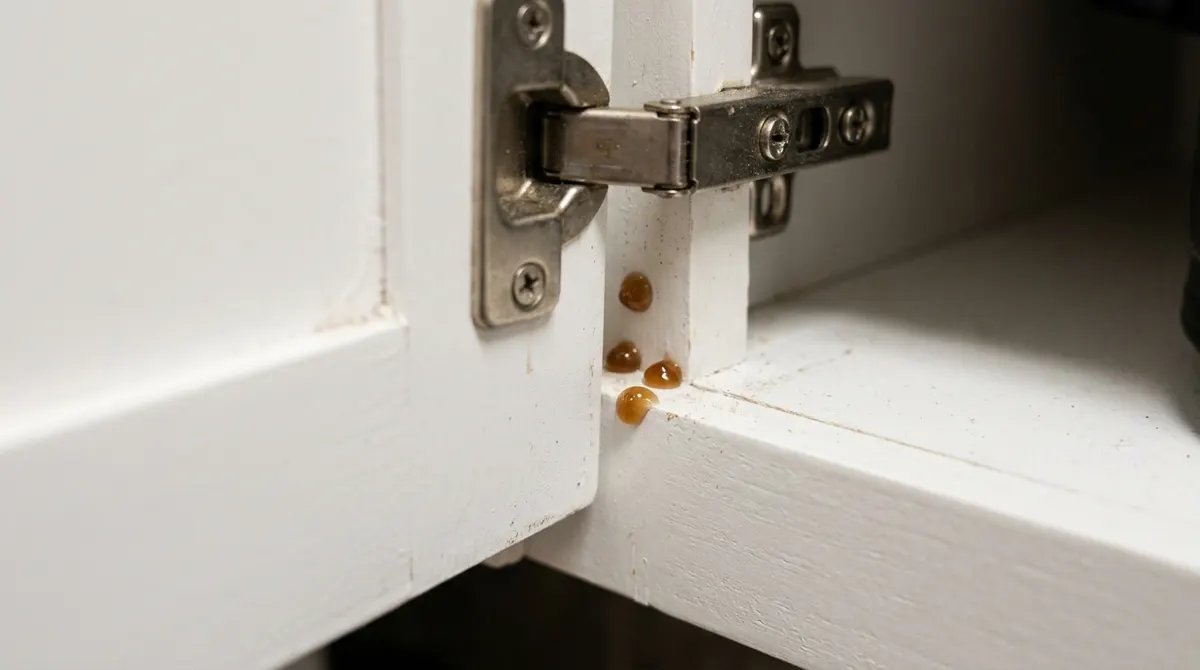
Gel Baits vs Sprays
Gel baits
- Reach roaches in hiding through shared feeding
- Low odor, targeted placement
- Work with their night feeding habit
Repellent sprays
- Scatter roaches deeper into walls
- Contaminate baits if used together
- Miss resting roaches hidden in cracks
Frequently Asked Questions
Do cockroaches sleep at night?
No—most household roaches are nocturnal. They rest during the day and are most active a few hours after dark.
How long do roaches sleep?
There’s no fixed number, but they spend much of the daylight period immobile in their harborage, in rest bouts that can last hours.
Will leaving the lights on keep roaches away?
Not reliably. Light makes them hide, but hungry roaches still come out, and it won’t reduce the population.
Can roaches crawl on you while you sleep?
It can happen in heavy infestations, especially if food is in the bedroom. Keep food out of bedrooms and treat the source.
Why do I see roaches during the day?
Daytime sightings usually mean overcrowding, a disturbance or a very hungry population—time for a thorough treatment or a pro.


