Field mice (usually deer mice or white-footed mice) are two-toned—tan or reddish-brown on top with a bright white belly and feet—and have a tail that is clearly darker on top and white below. House mice are a uniform dusty gray-brown with a lighter gray belly and an almost hairless, scaly tail. The biggest practical difference is health risk: deer mice are the main carrier of hantavirus in North America, so their droppings need extra-careful cleanup.
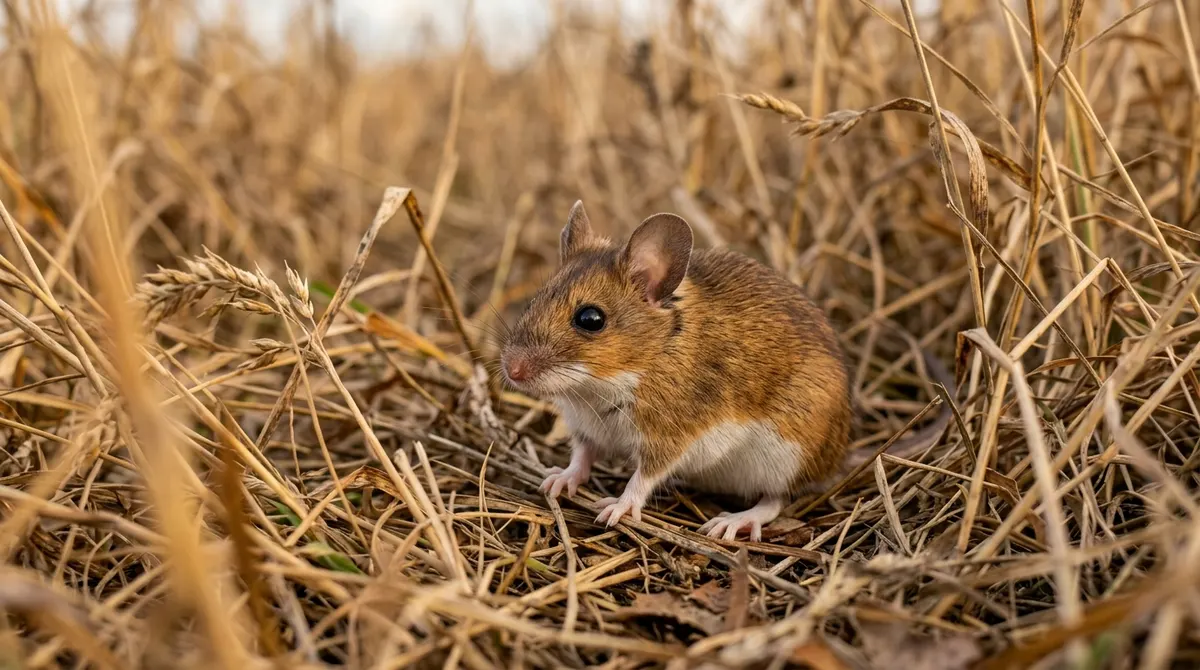
Field Mice vs House Mice at a Glance
| Feature | Field (deer) mouse | House mouse |
|---|---|---|
| Color | Tan to reddish-brown top, white belly and feet | Even gray-brown, slightly lighter belly |
| Tail | Furred, bicolored (dark top, white bottom) | Nearly hairless, scaly, one color |
| Eyes and ears | Large, bulging eyes; big ears | Smaller eyes; medium ears |
| Body size | About 3–4 in plus tail | About 2.5–3.5 in plus tail |
| Where they live | Fields, woods, sheds, cabins, garages | Inside homes year-round |
| Indoor habits | Move in during fall; hoard seeds | Breed indoors, nibble many foods |
| Main disease concern | Hantavirus | Salmonella, contamination |
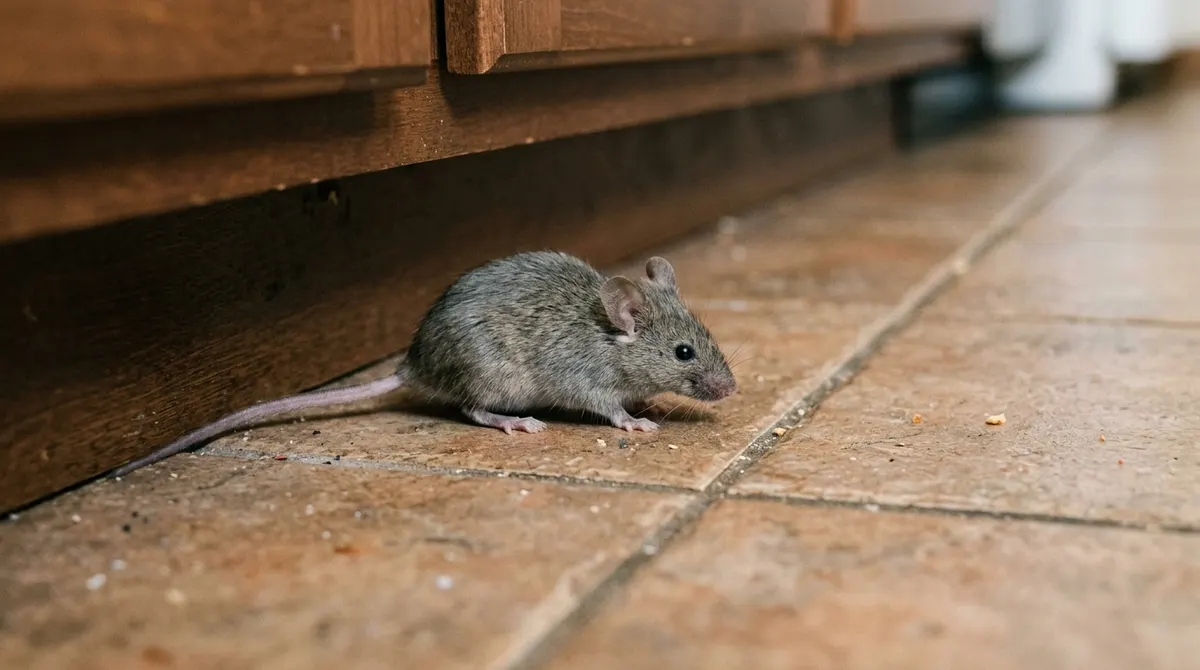
Behavior Differences
- Field mice are seasonal invaders. They come in when it turns cold, favor rarely used spaces such as cabins, sheds and garages, and stash seeds and pet food in drawers, boots or insulation.
- House mice live with people year-round, breed quickly (a female can have several litters a year), and leave droppings along walls and in cabinets.
- Droppings look almost identical, so don’t rely on them for identification.
Why the Difference Matters: Hantavirus
Hantavirus spreads mainly by breathing in dust from dried urine, droppings or nesting material of infected deer mice. Treat any rodent mess in a shed or cabin with care:
- Air out the space for 30 minutes before cleaning.
- Wear rubber gloves (and ideally an N95 mask).
- Spray droppings and nests with a disinfectant or a bleach solution (about 1 part bleach to 10 parts water) and let it soak 5 minutes.
- Wipe up with paper towels and bag them. Do not sweep or vacuum dry droppings.
- Wash gloved hands, then bare hands.
Tip: Snap traps baited with peanut butter work on both species. Place them along walls with the trigger facing the wall, and check daily.
Keeping Both Out
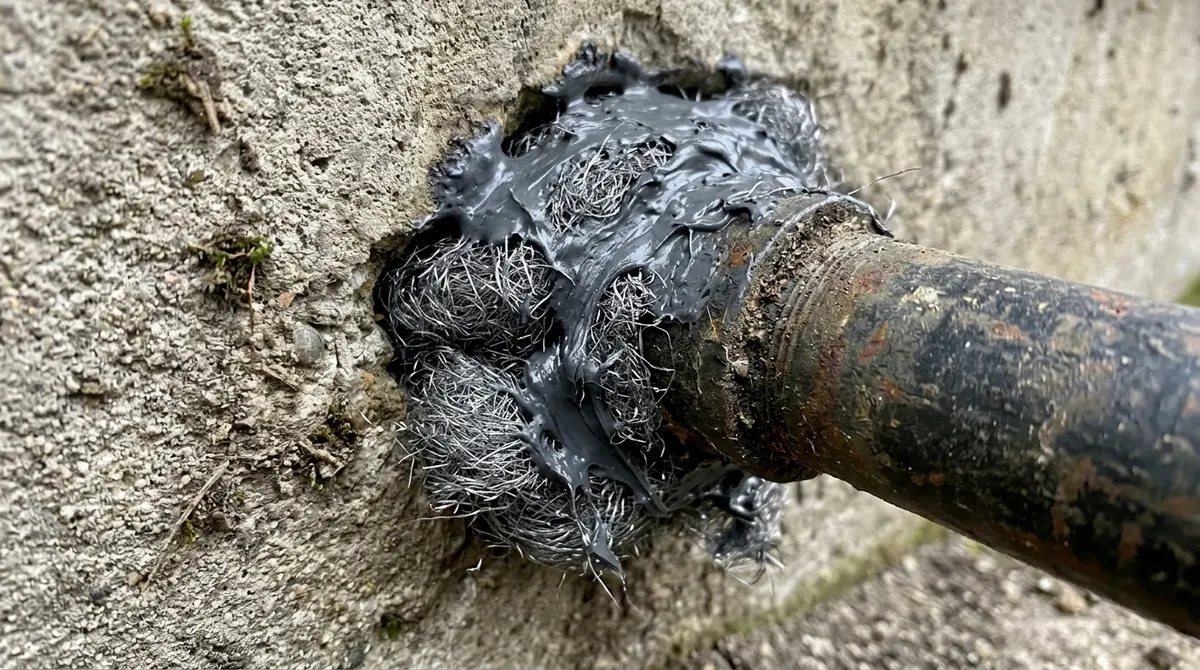
- Seal gaps around pipes, vents and garage doors—mice fit through openings about 1/4 inch wide
- Store pet food, birdseed and grass seed in metal or hard plastic bins
- Keep firewood and brush piles away from the foundation
- Trim vegetation touching the house
For full control methods, see our guide to pest control for mice.
Traps vs Poison Baits
Snap traps
- Fast, cheap and reusable
- You can confirm and remove each mouse
- No risk of mice dying inside walls
Poison baits
- Risk to pets, children and wildlife
- Mice may die in walls and smell
- Indoors, best left to professionals
Frequently Asked Questions
Are field mice and deer mice the same?
“Field mouse” is a loose term. In most of North America it usually means deer mice or white-footed mice, both of which have white bellies and bicolored tails.
Do field mice carry diseases?
Yes. Deer mice are the primary carrier of hantavirus. Never sweep or vacuum their droppings dry.
Do house mice carry hantavirus?
House mice are not considered a significant hantavirus carrier in North America, but they spread bacteria such as salmonella.
Will field mice leave on their own in spring?
Some move back outside, but those that find food and shelter may stay and nest. Trap and seal entry points rather than waiting.
How can I tell which mouse I have without seeing it?
Hoarded seeds and nests in stored items or sheds point to field mice; steady droppings in the kitchen year-round point to house mice. A trail camera or a trapped mouse confirms it.