

The most effective pest control for mice combines three steps: trap the mice already inside (snap traps along walls work fastest), seal every gap larger than about ¼ inch with steel wool and caulk or metal flashing, and remove food and nesting sources. Professional pest control is worth it for large or recurring infestations, when you can’t find the entry points, or if you have kids or pets and want safe bait handling.
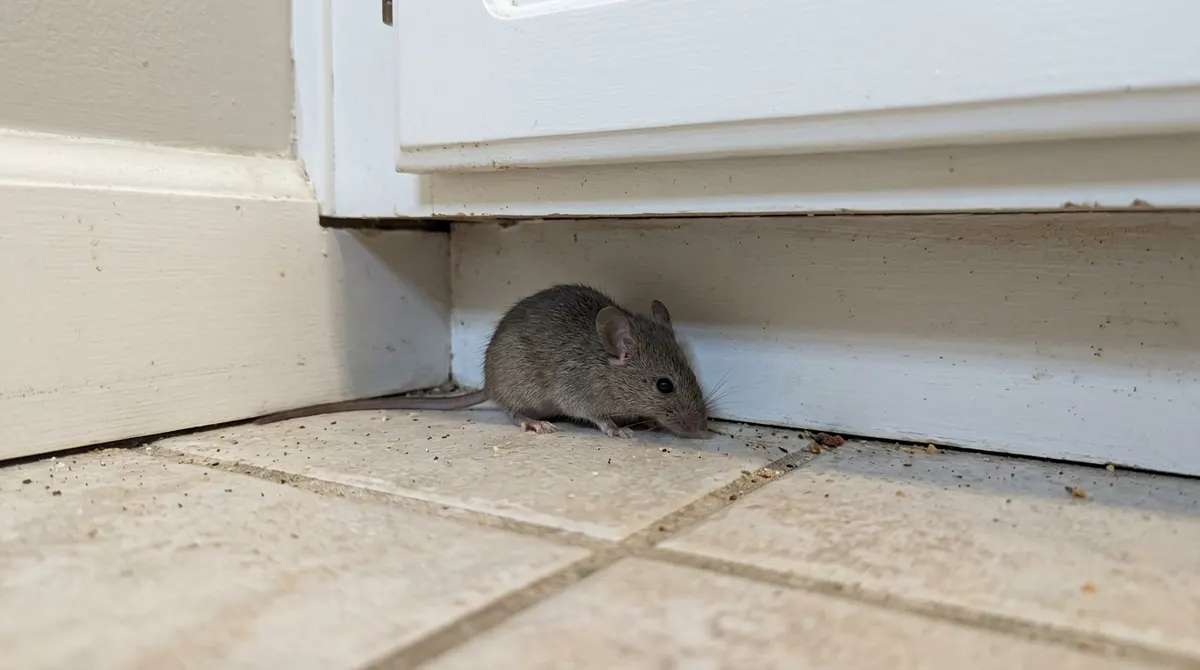
Signs You Have Mice
- Small, dark droppings (about the size of a rice grain) in drawers, cabinets, or along walls
- Gnaw marks on food packaging, wood, or wires
- Shredded paper, fabric, or insulation (nesting material)
- Scratching sounds in walls or ceilings at night
- A musky or ammonia-like smell (see our guide to ammonia smell in the house)
- Greasy rub marks along baseboards
Step 1: Trap the Mice Inside
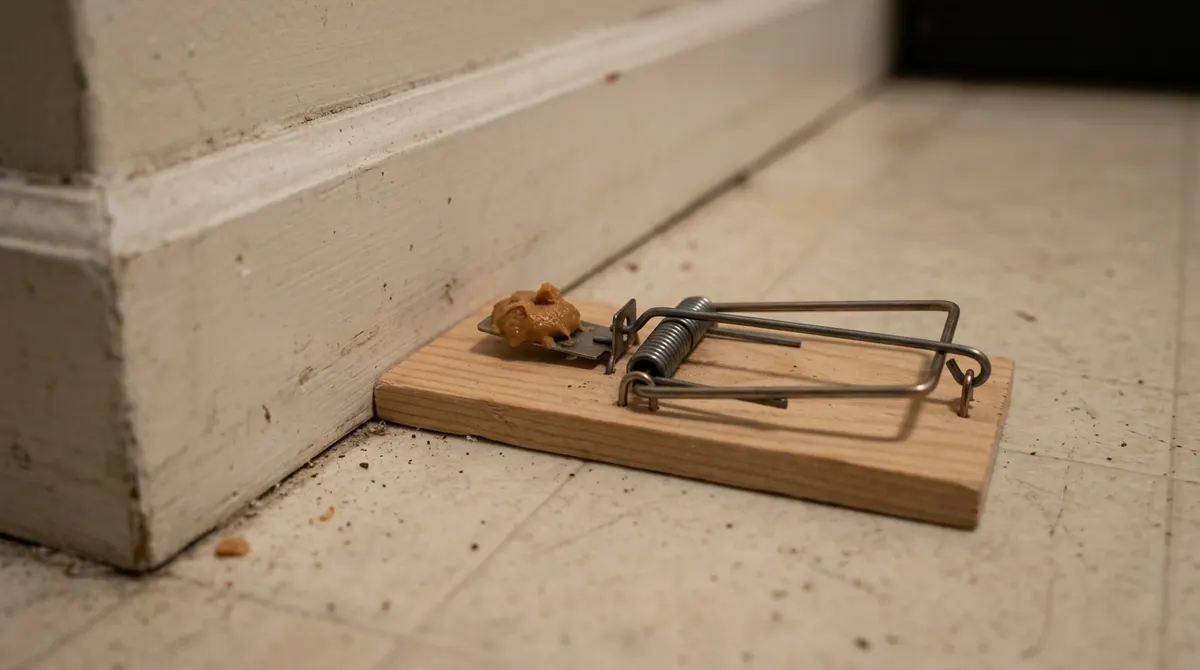
- Use plenty of traps—at least a dozen for a typical infestation.
- Bait with a pea-sized amount of peanut butter, chocolate spread, or seeds.
- Place them along walls, behind appliances, and in cabinets, where droppings appear. Mice run along edges, not across open floors.
- Set traps perpendicular to the wall with the trigger facing the baseboard.
- Check daily and wear gloves when handling.
Types of Mouse Control Compared
| Method | Speed | Notes |
|---|---|---|
| Snap traps | Fast | Cheap, effective, no poison |
| Electronic traps | Fast | Quick kill, easy disposal, higher cost |
| Live-catch traps | Moderate | Release far from home; check often |
| Bait stations (rodenticide) | Several days | Use tamper-resistant stations; risk to pets and wildlife; mice may die in walls |
| Glue traps | Slow | Widely considered inhumane; banned in some places |
| Ultrasonic repellers | Unreliable | Little evidence they work long-term |
Step 2: Seal Entry Points
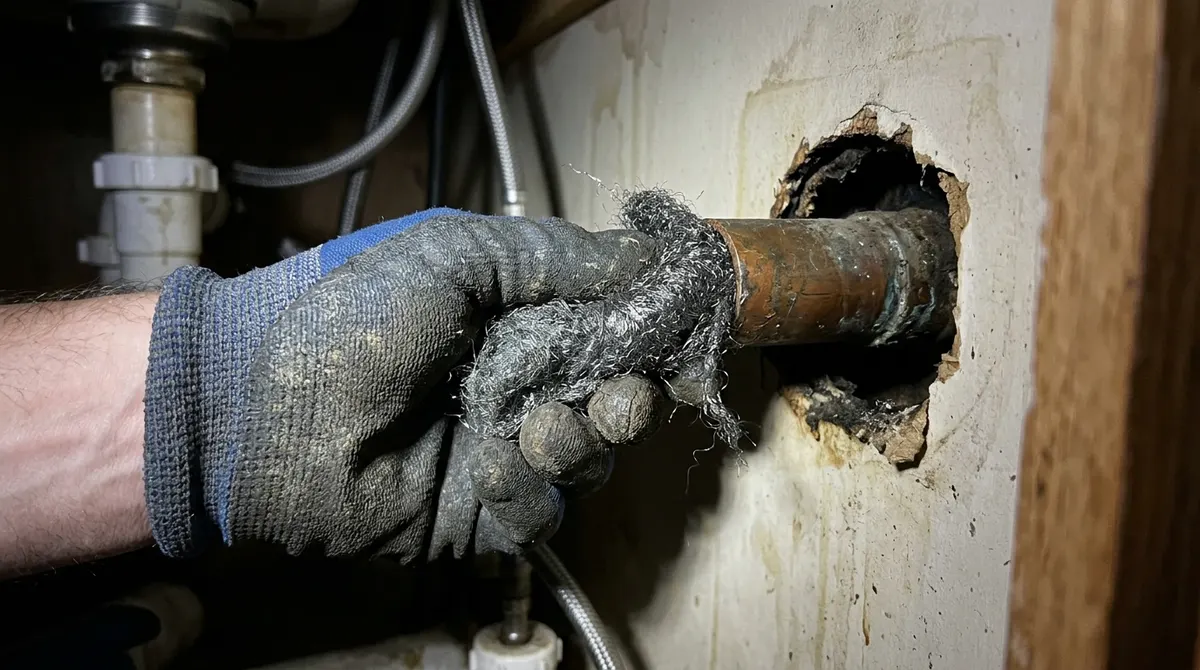
Mice can squeeze through gaps about the size of a dime. Check:
- Around pipes under sinks and behind appliances
- Gaps under doors (add door sweeps)
- Foundation cracks and utility line openings
- Vents, dryer vents, and gaps in siding or roofline
- Garage doors and attached garage walls
Fill gaps with steel wool or copper mesh and seal over with caulk, or use metal flashing or hardware cloth. Mice chew through foam, rubber, and wood.
Step 3: Remove Food and Shelter
- Store food, including pet food and birdseed, in sealed glass or metal containers.
- Clean up crumbs and don’t leave dishes out overnight.
- Keep trash in lidded bins.
- Reduce clutter in garages, basements, and closets.
- Move firewood and dense shrubs away from the house.
How to Clean Up Mouse Droppings Safely
Don’t sweep or vacuum droppings. Dust from rodent droppings and urine can spread disease. Ventilate the area, wear gloves (and ideally a mask), spray droppings with a disinfectant or a bleach solution (1 part bleach to 10 parts water) and let it soak about 5 minutes, then wipe up with paper towels and bag them.
DIY vs Professional Pest Control
Pros
- Professionals find hidden entry points and nests
- Safe, tamper-resistant baiting near kids and pets
- Follow-up visits and guarantees
Cons
- Costs more than DIY traps
- Ongoing service plans can add up
- Small infestations are often easy to handle yourself
Estimate costs with our pest control cost calculator.
Frequently Asked Questions
Can pest control get rid of mice?
Yes. Professionals combine trapping or baiting with sealing entry points and follow-up visits, which is especially effective for large or repeat infestations.
Is it worth getting pest control for mice?
For one or two mice, DIY trapping usually works. For many mice, droppings in several rooms, or mice that keep returning, professional help is often worth it.
What is the fastest way to get rid of mice?
Set many snap or electronic traps along walls where you see droppings, and seal entry points at the same time.
Will mice crawl on sleeping people?
It’s rare. Mice avoid people and usually stay near walls and food sources, but they may explore beds if food is around.
What smell keeps mice away?
Peppermint oil is commonly used, but its effect is short-lived. Sealing entry points and removing food are far more reliable.


