To stop a cat from peeing on the carpet, first take your cat to a vet to rule out a urinary or medical problem, then make the litter box more appealing (clean it daily, use unscented litter, and have one box per cat plus one), clean every accident with an enzyme cleaner so the smell doesn’t draw them back, and reduce stress in the home. Temporarily make the favorite carpet spot unattractive with foil or furniture, and reward your cat for using the box.
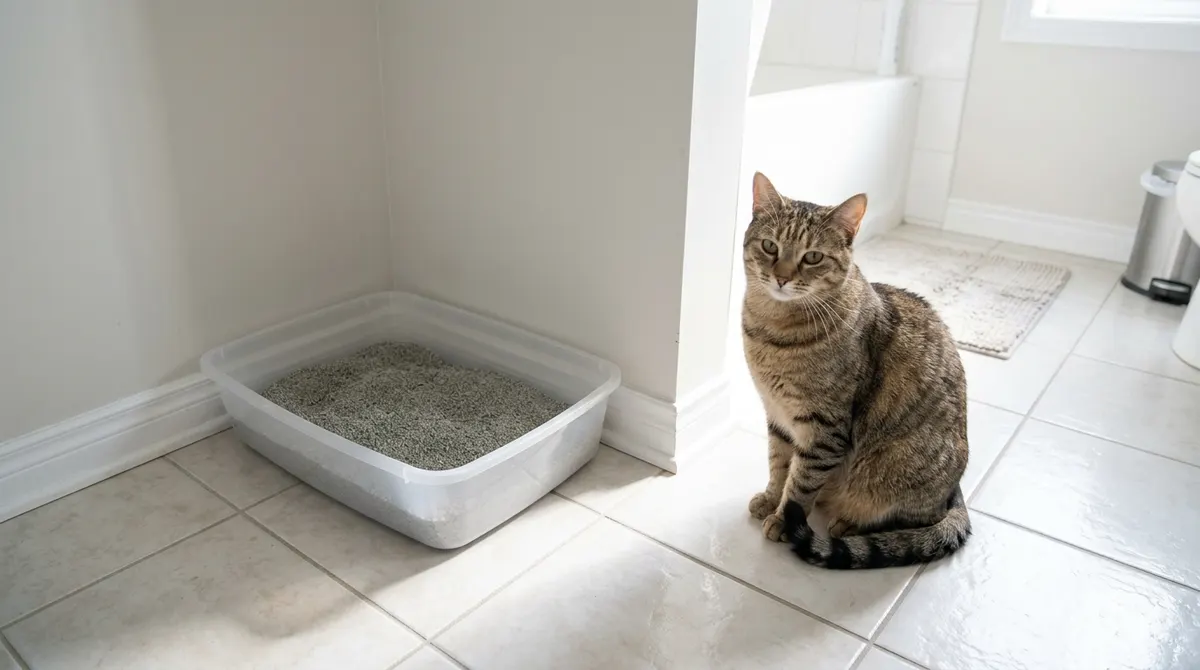
See a vet first: Peeing outside the box can signal urinary tract infections, bladder stones, kidney disease, or diabetes. Male cats straining to pee or producing little urine need emergency care—a urinary blockage can be life-threatening.
Why Is My Cat Peeing on the Carpet?
- Medical issues: infections, crystals, arthritis (hard to climb into the box)
- Litter box problems: dirty box, wrong litter, covered box, bad location
- Too few boxes in a multi-cat home
- Stress: new pets, people, moving, or outdoor cats at the window
- Marking territory, especially in unneutered cats
- Leftover urine smell that marks the spot as a toilet
Step-by-Step: How to Stop It
- Vet check to rule out health problems.
- Add litter boxes: one per cat plus one extra, on each floor of the home.
- Clean boxes daily and fully wash them weekly with mild soap.
- Use unscented, fine-grained clumping litter—most cats prefer it.
- Choose good locations: quiet, easy to reach, away from food and loud appliances.
- Try an uncovered, larger box with low sides for older cats.
- Clean accidents with an enzyme cleaner.
- Block the spot temporarily with furniture, foil, or a plastic runner, or place a litter box there for a while.
- Reduce stress with play, hiding spots, and consistent routines; consider calming pheromone diffusers.
- Spay or neuter to reduce marking.
How to Clean Cat Urine From Carpet
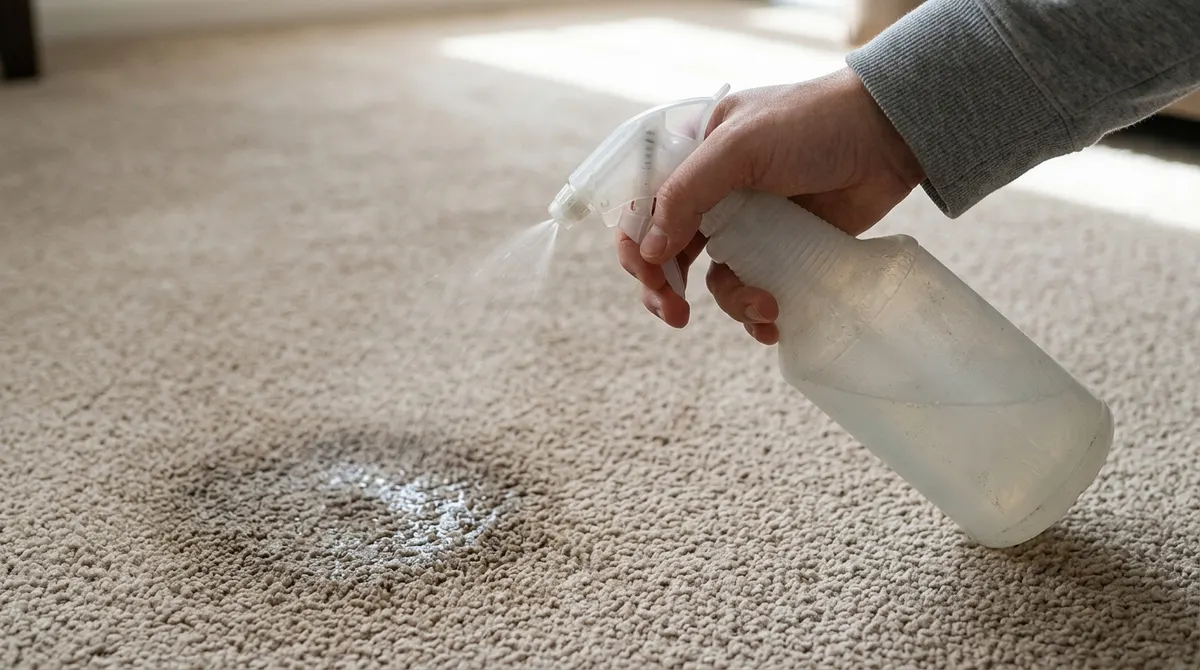
- Blot up as much urine as possible with paper towels.
- Soak the area with an enzyme cleaner—enough to reach the padding.
- Leave it as long as the label says, then blot and let it air dry.
- Use a UV black light to find old stains you might have missed.
- Avoid ammonia-based cleaners—they smell like urine to cats.
Lingering smell? See our guide to ammonia smell in the house.
Deterrents: What Helps and What Doesn’t
Pros
- Enzyme cleaners and better litter box setup fix most cases
- Pheromone diffusers can ease stress
- Temporarily covering the spot breaks the habit
Cons
- Punishment increases stress and makes it worse
- Vinegar and citrus sprays may not stop determined cats
- Strong essential oils can be toxic to cats
Frequently Asked Questions
What scent will keep cats from peeing?
Many cats dislike citrus, but scents alone rarely solve the problem. Cleaning with an enzyme cleaner and fixing the litter box work better. Avoid essential oils, which can be toxic to cats.
Why is my cat peeing on the carpet?
Common reasons are medical problems, a dirty or unsuitable litter box, too few boxes, stress, or territory marking.
How do I stop my cat from peeing on the same spot on the carpet?
Clean it thoroughly with an enzyme cleaner, then block or cover the spot temporarily, or place a litter box there and gradually move it.
Does vinegar deter cats from peeing?
Vinegar can help neutralize odor and some cats dislike it, but it doesn’t remove urine as thoroughly as an enzyme cleaner.
Should I punish my cat for peeing on the carpet?
No. Punishment increases stress and often makes the problem worse. Reward litter box use instead.