A full cord of wood is 128 cubic feet of neatly stacked firewood, typically 4 feet high, 4 feet deep and 8 feet long. A “face cord” or “rick” is also 4 ft by 8 ft but only one log length deep, so with 16-inch logs it’s about one-third of a full cord. Always confirm the total volume and log length before you buy, because loosely thrown wood or a “face cord” can hold far less than you expect.
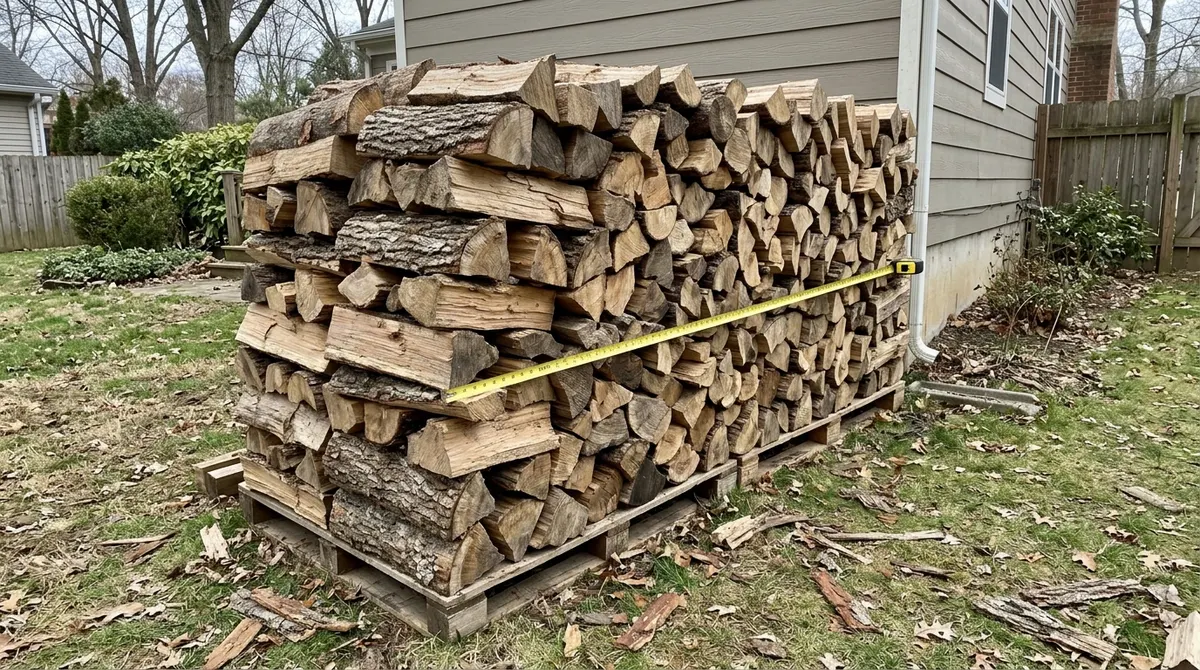
Cord Measurements Compared
| Term | Typical size | Volume | Share of a full cord |
|---|---|---|---|
| Full cord | 4 ft x 4 ft x 8 ft | 128 cu ft | 100% |
| Half cord | 4 ft x 4 ft x 4 ft (or 2 x 4 x 8) | 64 cu ft | 50% |
| Face cord / rick (16-in logs) | 4 ft x 8 ft x 16 in | About 43 cu ft | About 1/3 |
| Face cord (12-in logs) | 4 ft x 8 ft x 12 in | 32 cu ft | 1/4 |
| Truckload (8-ft bed) | Varies | Often 1/4–1/2 cord | Ask the seller |
Because “face cord” and “rick” depend on log length, several states restrict those terms in sales and require wood to be sold by the cord or fractions of a cord.
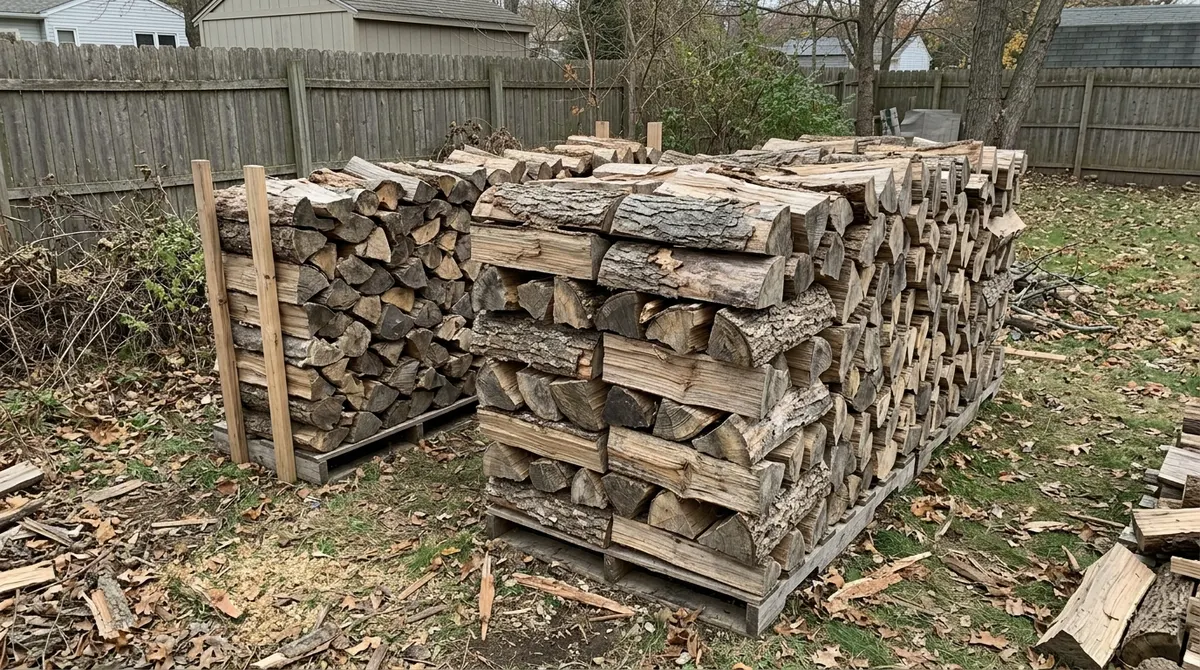
How Much Does a Full Cord Weigh?
- Seasoned softwoods (pine, spruce): roughly 2,000–2,800 lb
- Seasoned hardwoods (oak, maple, hickory): roughly 3,500–5,000 lb
- Green (unseasoned) wood: can be 50% heavier or more because of water
Most half-ton pickups can’t safely haul a full cord of seasoned hardwood in one trip.
How Much Does a Full Cord Cost?
Prices vary widely by region and species. As a rough guide, seasoned hardwood often runs about $250–$500+ per full cord, with delivery and stacking sometimes extra. Face cords typically cost a bit more than one-third of a full-cord price.
How to Check You Got a Full Cord
- Stack the wood tightly, bark up, with pieces parallel.
- Measure height, width and length in feet.
- Multiply: height x width x length. A full cord should total about 128 cu ft.
- Ask for a receipt that lists the seller, quantity in cords, species and price.
Buying a Full Cord vs Smaller Amounts
Pros
- Lower cost per cubic foot
- Lasts most of a season for regular fireplace use
- Fewer deliveries
Cons
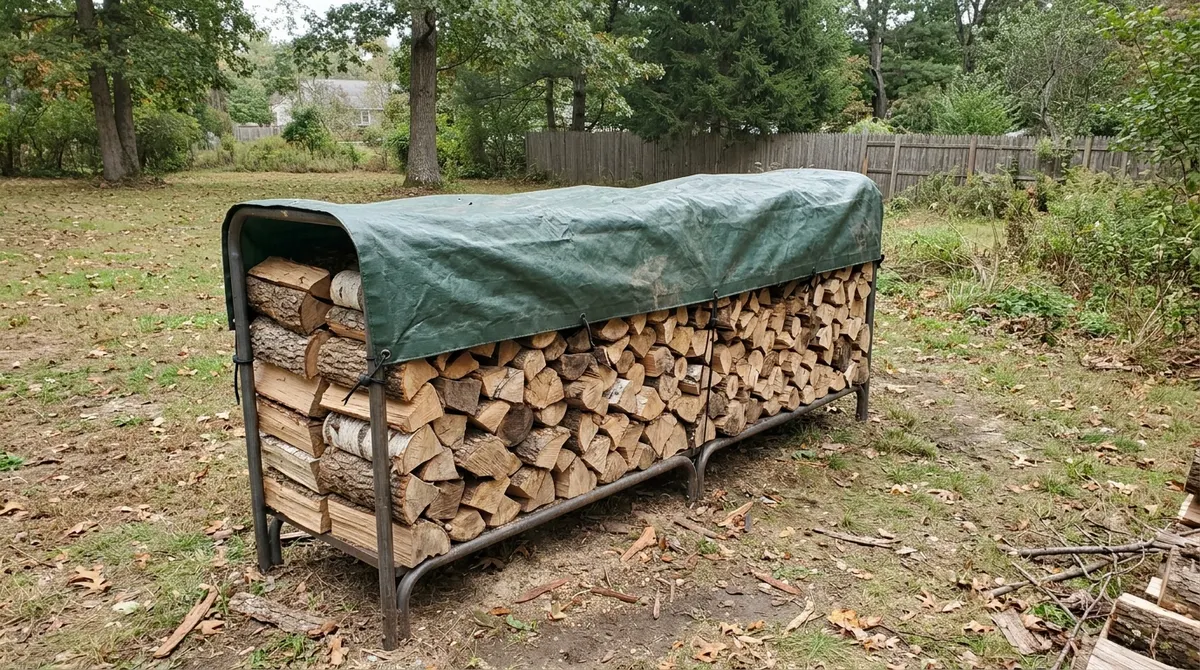
- Needs a large, dry storage area
- Heavy to stack and move
- Wood stored poorly can attract pests
Firewood piles near the house attract insects; see how to get rid of wood roaches and how to connect a generator to your house for winter readiness.