A right hand swing door has its hinges on the right side when you stand on the side the door swings toward—so it opens toward you with your right hand on the hinge side and the knob on the left. The usual test: stand outside the room (or outside the house for exterior doors), facing the door. If the hinges are on the right and the door swings away from you into the room, it’s a right-hand (inswing) door. If it swings toward you, it’s a right-hand reverse (outswing) door.
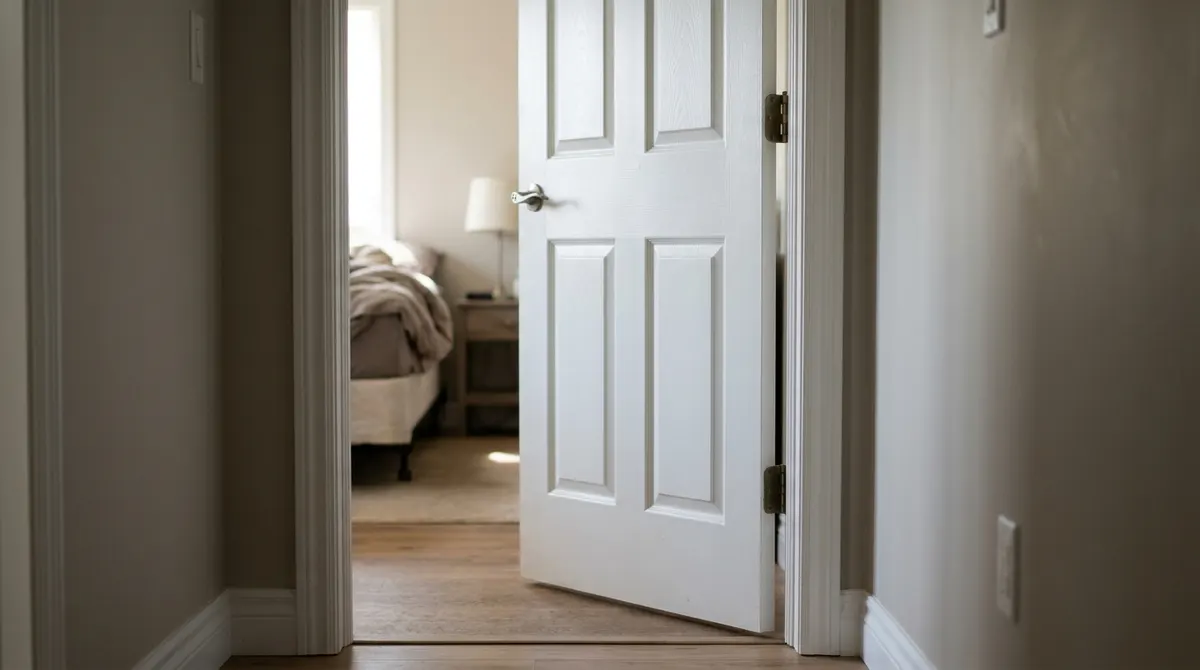
How to Tell Left vs Right Hand Doors
- Stand on the outside of the door—the hallway side for interior doors, the street side for exterior doors (the “secure” or “key” side).
- Look at which side the hinges are on.
- Note whether the door swings away from you (inswing) or toward you (outswing).
| Hinges (viewed from outside) | Swing | Door handing | Abbrev. |
|---|---|---|---|
| Right | Away from you (in) | Right hand | RH |
| Left | Away from you (in) | Left hand | LH |
| Right | Toward you (out) | Right hand reverse | RHR |
| Left | Toward you (out) | Left hand reverse | LHR |
The Back-to-the-Hinge Method
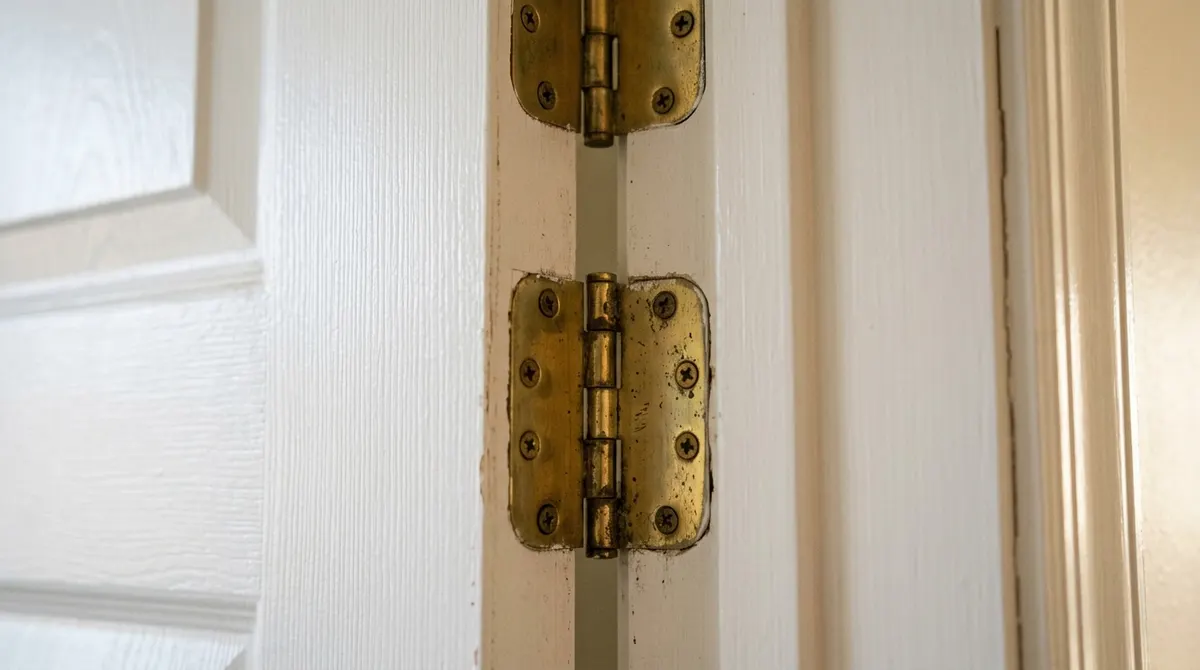
Another quick test used for prehung doors: stand in the doorway with your back against the hinge jamb. If the door swings in the direction of your right hand, it’s a right-hand door; if it swings toward your left hand, it’s left-hand.
Inswing vs Outswing Doors
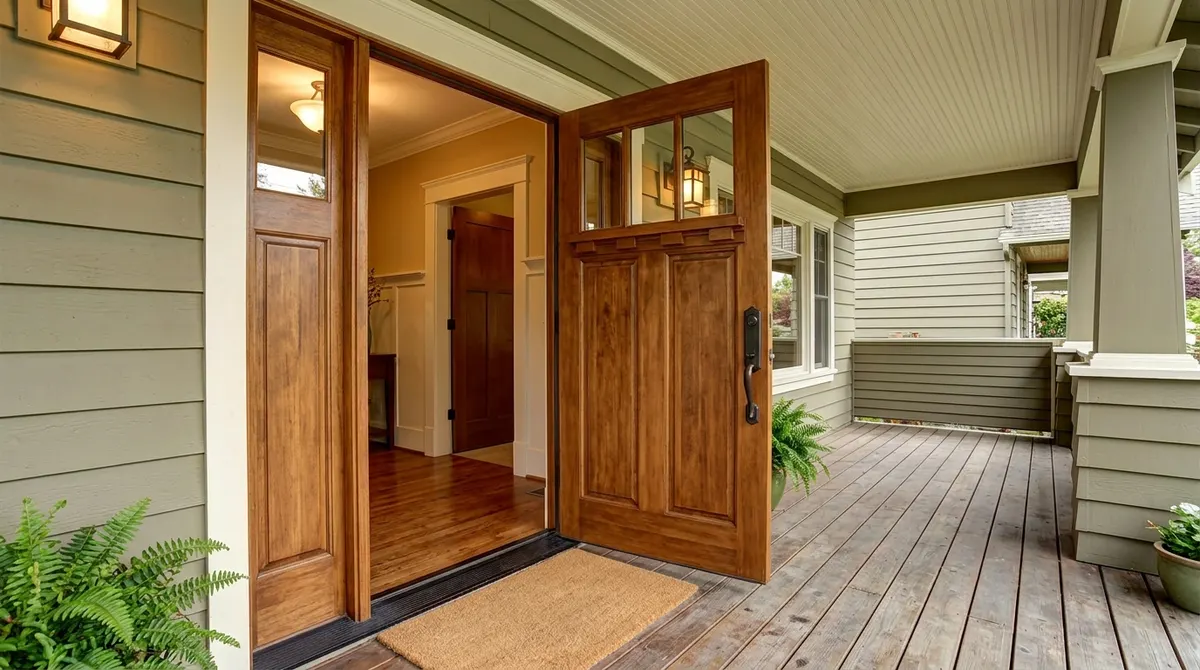
Pros
- Inswing: hinges protected inside, easy to add a storm door
- Outswing: saves interior floor space
- Outswing: wind pushes it tighter against the seal
Cons
- Inswing: uses room space for the swing
- Outswing: exposed hinges need security pins
- Outswing: can be blocked by snow
Why Door Handing Matters
- Prehung doors are ordered by handing—the wrong one won’t fit your frame’s swing.
- Levers and some locksets are handed, while most round knobs are reversible.
- Storm and screen doors often use the opposite convention, so check the instructions.
- Door closers and panic hardware must match the swing.
Stuck behind a locked door? See how to unlock a door knob.