

Yes—undiluted white distilled vinegar can kill many common household molds, including some black molds, on hard, non-porous surfaces like tile, glass, and sealed wood. Spray it on full strength, leave it for at least an hour, scrub, wipe clean, and let the area dry completely. Vinegar won’t fix mold that has grown deep into drywall or carpet, and it won’t stop mold from returning unless you fix the moisture problem. Large areas (roughly more than 10 square feet) or mold after flooding should be handled by professionals.
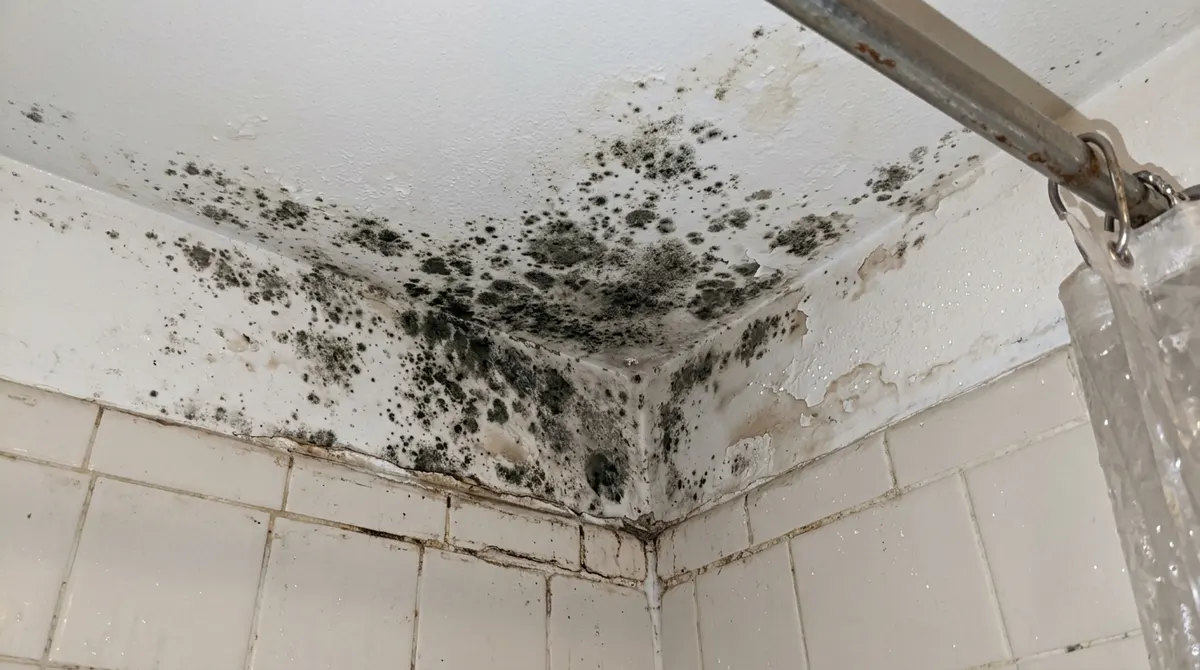
Safety: Wear gloves, eye protection, and an N95 mask when cleaning mold, ventilate the room, and never mix vinegar with bleach. People with asthma, allergies, or weakened immune systems should avoid cleaning mold themselves.
How to Kill Mold With Vinegar
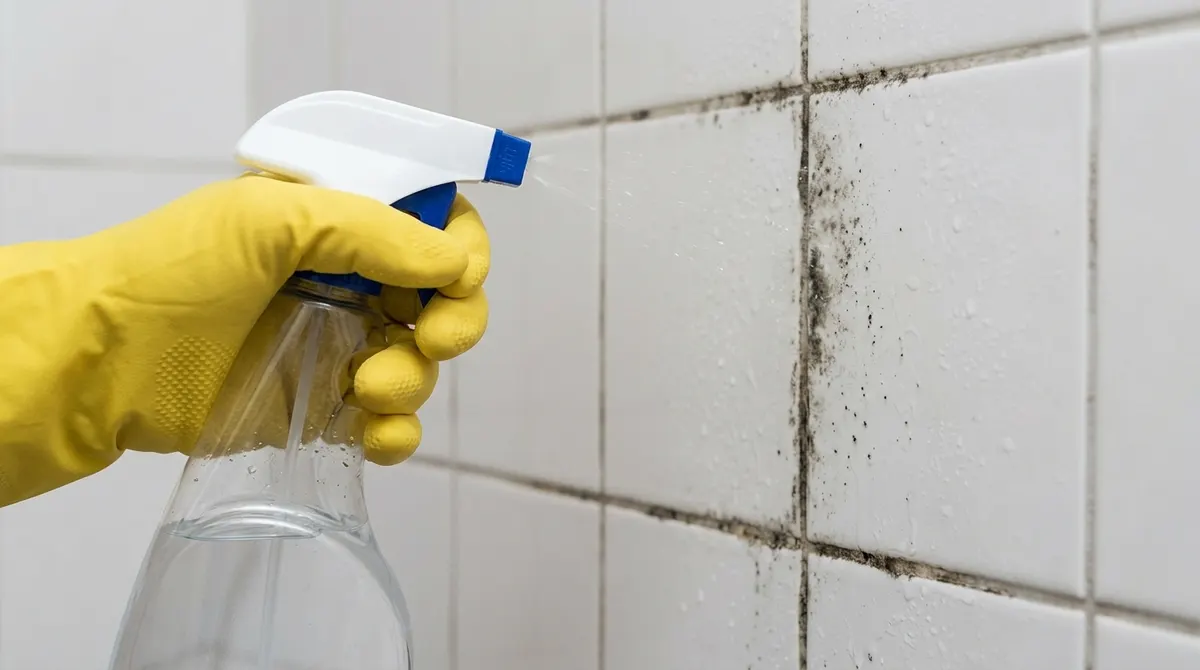
- Fill a spray bottle with undiluted white distilled vinegar (5% acidity).
- Spray the moldy area until it’s well soaked.
- Wait at least 1 hour so the vinegar can work.
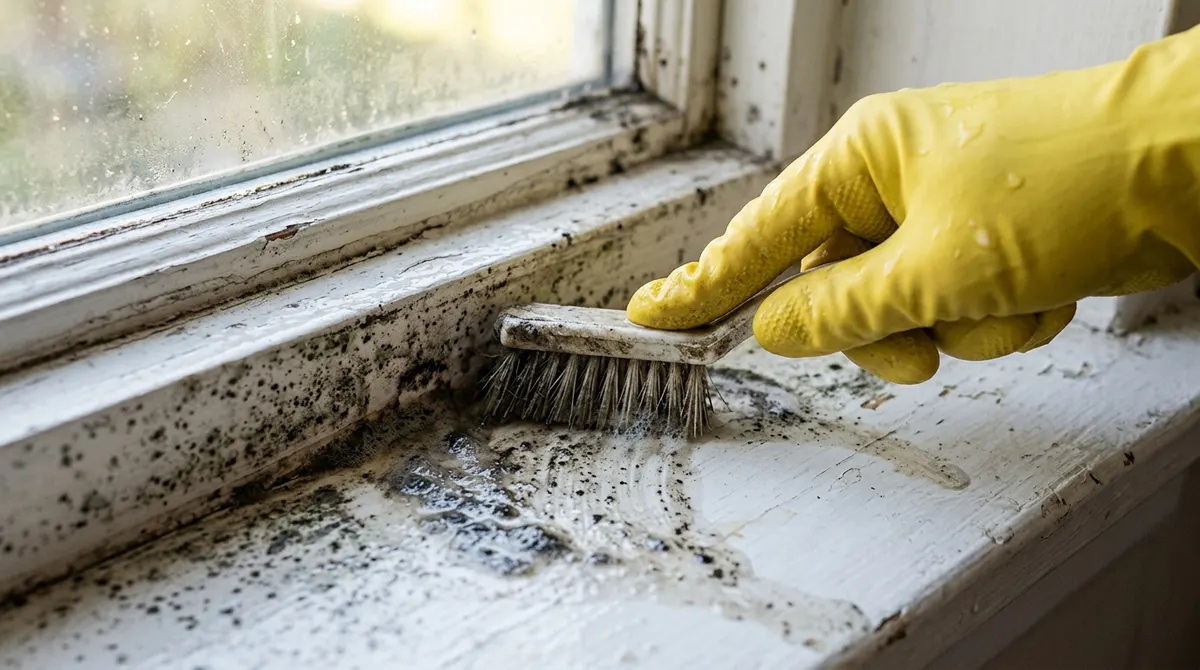
- Scrub with a brush or sponge.
- Wipe clean with water and dry thoroughly—use a fan or dehumidifier.
- Repeat if stains remain, and check the area over the next week.
Vinegar vs Bleach for Mold
| White vinegar | Bleach | |
|---|---|---|
| Works on | Hard and some semi-porous surfaces | Hard, non-porous surfaces only |
| Stain removal | Moderate | Strong (whitens) |
| Fumes | Mild odor | Harsh, irritating |
| Safety | Safer for most homes | Never mix with vinegar or ammonia |
| Best for | Routine mold cleanup | Whitening grout and stains on non-porous surfaces |
Other Natural Mold Killers
- Hydrogen peroxide (3%): spray, wait 10 minutes, scrub, and wipe.
- Baking soda: mix 1 teaspoon in a spray bottle of water, spray, scrub, and rinse—good for light mold and odors.
- Detergent and water: recommended for cleaning mold from hard surfaces.
Vinegar: Pros and Cons
Pros
- Cheap, easy to find and low in toxic fumes
- Effective on many common molds on hard surfaces
- Safe on most tile, glass and countertops
Cons
- Won’t remove mold rooted in drywall, insulation or carpet
- Can etch natural stone like marble
- Doesn’t fix the moisture source
When to Call a Professional
- Mold covers a large area (roughly more than 10 square feet)
- Mold is inside walls, HVAC ducts, or after flooding or sewage backup
- It keeps returning
- Anyone in the home has health concerns
Prevent Mold From Coming Back
- Keep indoor humidity around 30–50%—see our dehumidifier size calculator.
- Run bathroom fans during and after showers.
- Fix leaks promptly.
- Dry wet areas within 24–48 hours.
Frequently Asked Questions
How long does it take vinegar to kill black mold?
Leave undiluted vinegar on the mold for at least an hour before scrubbing and wiping.
What naturally kills black mold?
White vinegar, hydrogen peroxide, and baking soda solutions can all kill common household molds on hard surfaces.
Is bleach or vinegar better for black mold?
Vinegar is often better for routine cleaning because it’s safer and works on more surfaces. Bleach whitens stains on non-porous surfaces but has harsh fumes. Never mix them.
Can I just spray vinegar on mold and leave it?
You can leave it for an hour or more, but you should then scrub, wipe, and dry the area. Dead mold can still cause allergies if left in place.
Does vinegar kill mold on drywall?
It can treat surface mold on painted drywall, but mold that has grown into the drywall usually means the section should be cut out and replaced.


