

To separate laundry, sort clothes into piles by color (whites, lights, and darks), then by fabric weight (delicates, regular clothes, and heavy items like towels and jeans), and keep heavily soiled items apart. Washing similar colors and fabrics together prevents dye transfer, reduces pilling and lint, and lets you use the right water temperature and cycle for each load.
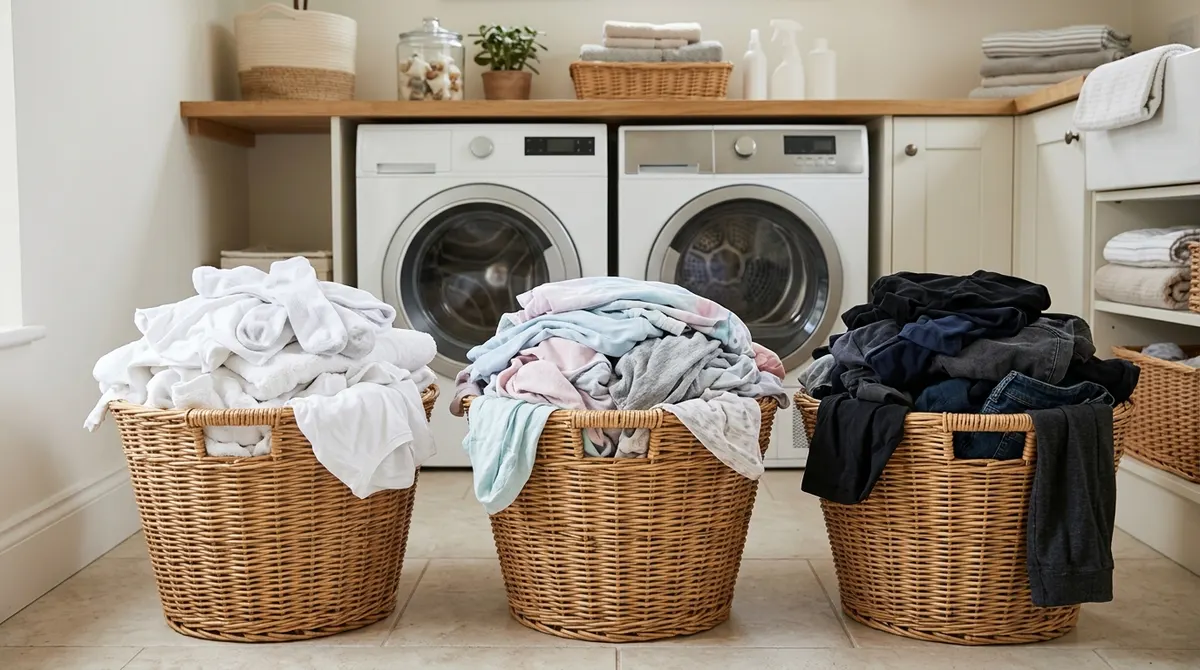
Step 1: Sort by Color
- Whites: white shirts, sheets, socks, and underwear—can be washed warmer and with oxygen bleach.
- Lights: pastels, light grays, beige, and light prints.
- Darks: black, navy, dark gray, deep red, and dark denim—wash in cold to prevent fading.
- Brights: new red, orange, or pink items that may bleed should be washed separately at first.
Step 2: Sort by Fabric and Weight
| Group | Examples | Cycle |
|---|---|---|
| Delicates | Lingerie, silk, lace, sheer tops | Delicate, cold, in a mesh bag |
| Everyday | T-shirts, cotton shirts, pants | Normal |
| Heavy items | Towels, jeans, sweatshirts | Heavy duty or normal, warm |
| Lint producers | Towels, fleece, chenille | Wash apart from lint-attractors |
| Lint attractors | Corduroy, velvet, synthetics, dark knits | Wash apart from towels |
Step 3: Check Care Labels
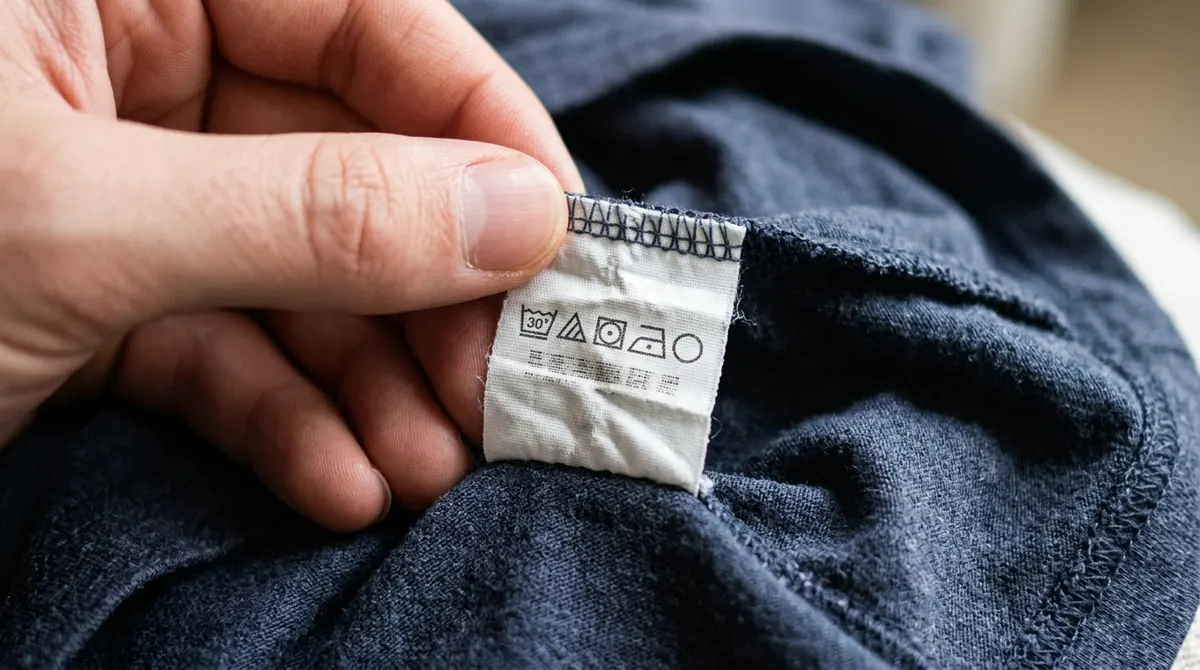
Labels show the maximum water temperature, whether bleach is allowed, and how to dry. Hand-wash and dry-clean items belong in their own pile—see how to dry clean at home.
Step 4: Separate Heavily Soiled Items
Muddy sports uniforms, work clothes, and greasy kitchen towels should be washed separately so dirt doesn’t redeposit on cleaner clothes.

Laundry Sorting Tips
- Zip zippers, fasten hooks, and empty pockets.
- Turn darks and printed shirts inside out.
- Use color-catcher sheets if you must mix colors.
- Don’t overload the washer—clothes need room to move.
- Wash new jeans and bright colors alone the first few times.
Is Sorting Still Necessary?
Pros
- Prevents dye bleeding and dingy whites
- Reduces lint and pilling
- Lets you use the best cycle and temperature
Cons
- Takes a little more time
- Small households may not fill separate loads
- Modern cold-water detergents make mixing less risky for older clothes
Plan your loads with our laundry calculator.
Frequently Asked Questions
Is it still necessary to separate laundry?
It’s still a good idea, especially for new, dark, or brightly colored clothes and delicates. Older, colorfast items can often be washed together in cold water.
How do you separate lights and darks?
Put whites and pastels in one pile and black, navy, dark gray, and deep colors in another. Wash darks in cold water.
Which colors can be washed together?
Similar shades—darks with darks, lights with lights. Most colorfast medium colors can go with darks in cold water.
What laundry should be washed separately?
New bright or dark items that may bleed, delicates, towels (because of lint), and heavily soiled work or sports clothes.
Can I wash towels with clothes?
It’s better not to—towels shed lint onto clothes and need a warmer, heavier cycle.


