To find a cricket in your house, turn off noisy devices, wait for it to chirp, and walk slowly toward the sound—crickets usually stop when you get close, so pause and wait. Check warm, damp, dark spots near the sound: behind appliances, under furniture, along baseboards, and in basements and laundry rooms. If you still can’t find it, set a simple bait trap (a shallow dish of molasses or sugar water, or a sticky trap) near where you hear it.
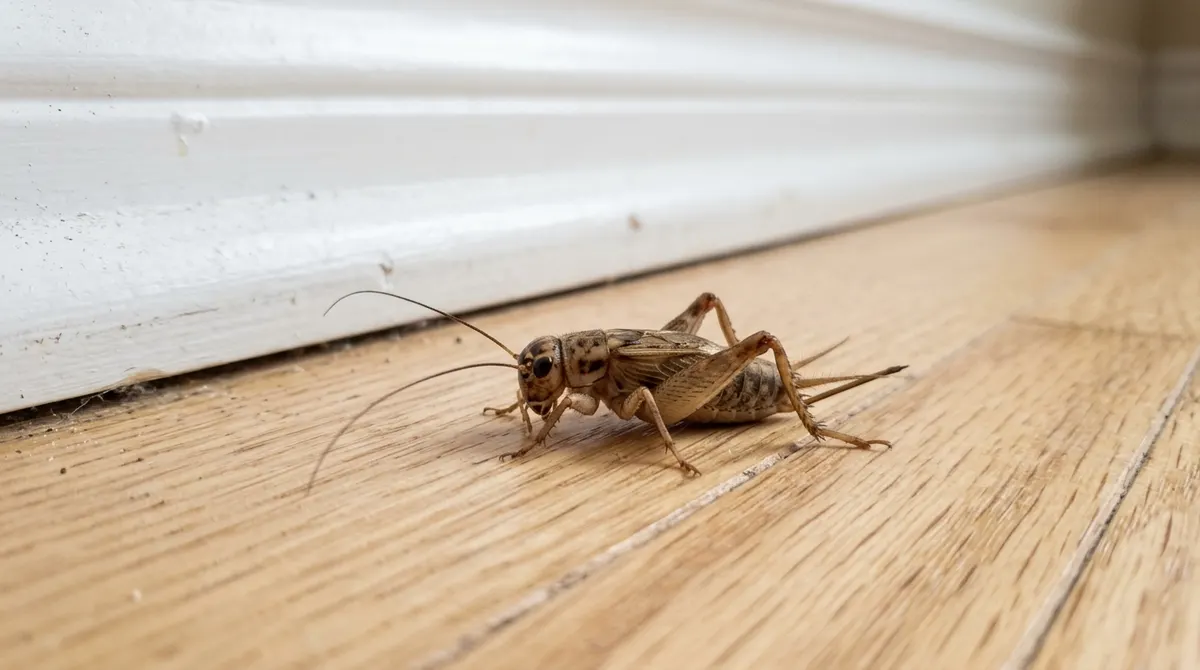
Why Are Crickets So Hard to Find?
- Only male crickets chirp, by rubbing their wings together.
- They stop chirping when they sense vibration or movement.
- The sound bounces off walls, making it hard to pinpoint.
- They hide in tiny gaps where you can’t see them.
How to Track Down a Chirping Cricket
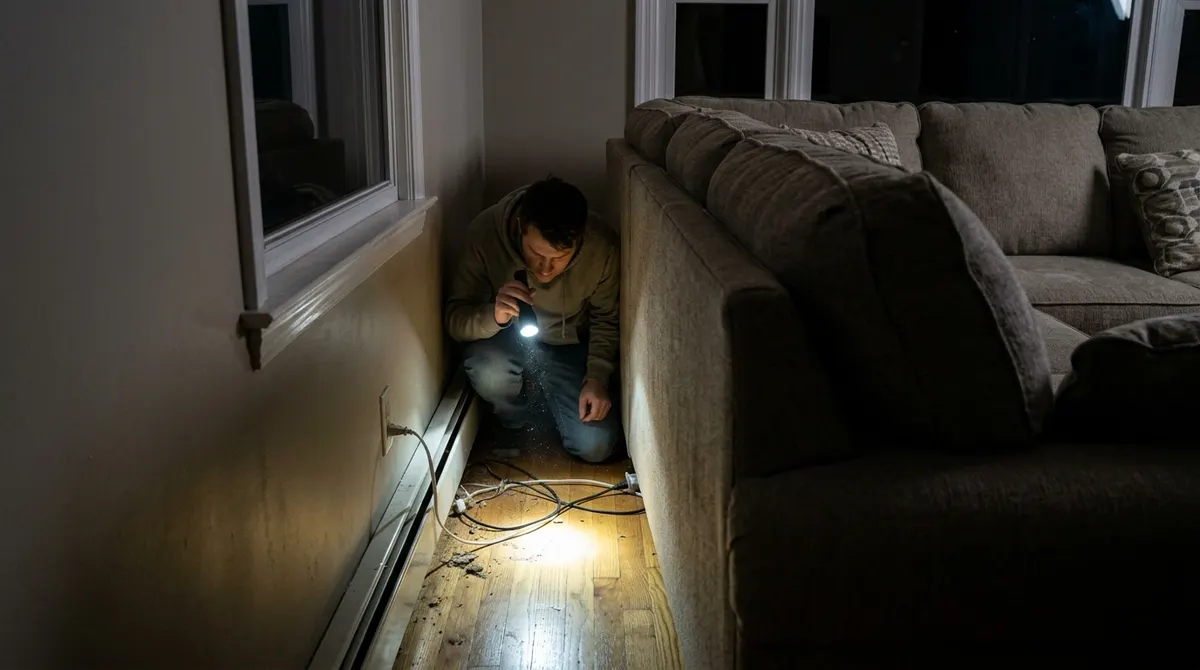
- Make the room quiet—turn off fans, TV, and appliances.
- Listen from the doorway to figure out which side of the room the sound comes from.
- Move slowly toward the sound. When it stops, stand still until it starts again.
- Use a flashlight to check behind and under furniture, appliances, boxes, and baseboards.
- Check damp areas: basements, bathrooms, laundry rooms, under sinks, and around water heaters.
- Catch it with a cup and a piece of paper, and release it outside—or use a vacuum.
How to Lure a Cricket Out of Hiding
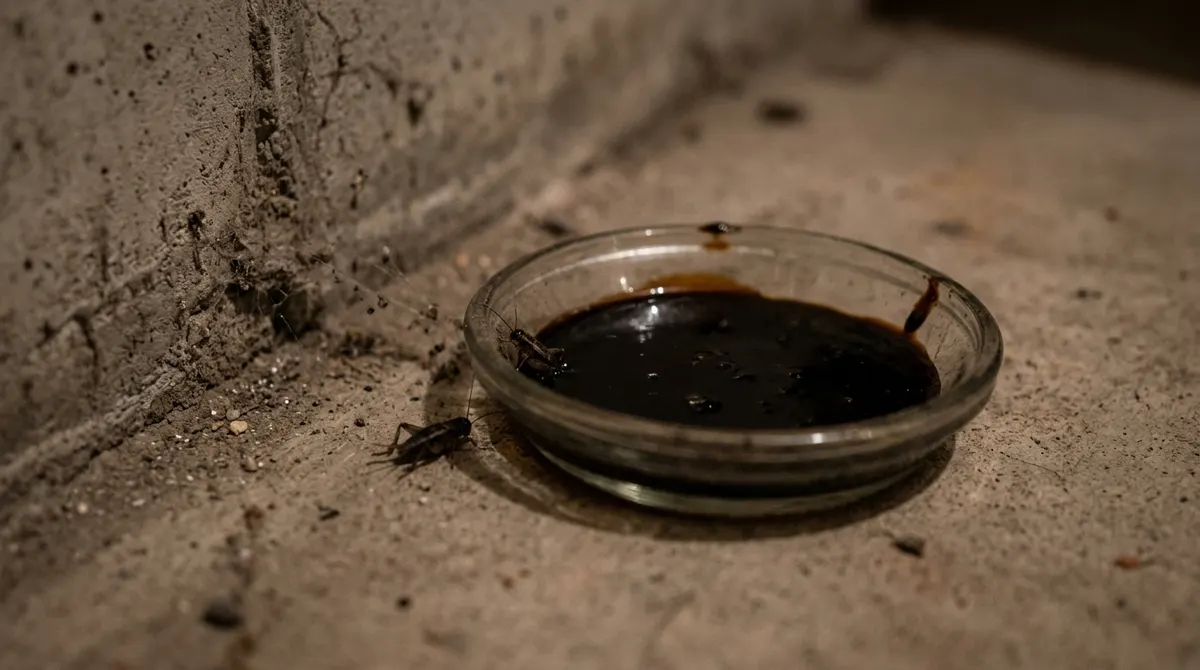
- Molasses trap: a shallow dish with a spoonful of molasses or sugar mixed with water. Crickets are attracted and get stuck.
- Bread crumbs: place a few near the sound to draw it out at night.
- Sticky traps: place along walls near where you hear chirping (keep away from pets).
- Damp cloth: crickets love moisture—lay a damp towel down overnight and check under it in the morning.
How to Keep Crickets Out
- Seal cracks around doors, windows, and the foundation.
- Add door sweeps and repair screens.
- Run a dehumidifier in basements.
- Switch outdoor lights to yellow “bug” bulbs—lights attract crickets at night.
- Move woodpiles, mulch, and leaf litter away from the house.
Traps vs Searching
Pros
- Traps work overnight while you sleep
- Searching lets you release the cricket alive
- Both are cheap and chemical-free
Cons
- Searching can take time and patience
- Sticky traps are risky around pets
- Neither stops more crickets entering if gaps aren’t sealed
Frequently Asked Questions
How do you get rid of a cricket you can’t find?
Set a molasses or sugar-water dish or a sticky trap near the chirping and check it in the morning.
How long will a cricket survive in my house?
Often a few weeks to a couple of months, depending on moisture and food. Dry homes shorten their survival.
How do you attract a cricket out of hiding?
Use food bait like molasses, sugar water, or bread, or a damp cloth. Turn off lights and check with a flashlight later.
How do you find where a cricket is hiding?
Make the room quiet, follow the chirp slowly, and check dark, damp places near walls and appliances.
Are house crickets harmful?
No, they don’t bite people or spread disease, but large numbers can chew fabrics and paper.