

What each letter means, the main system types, and how to choose the right one
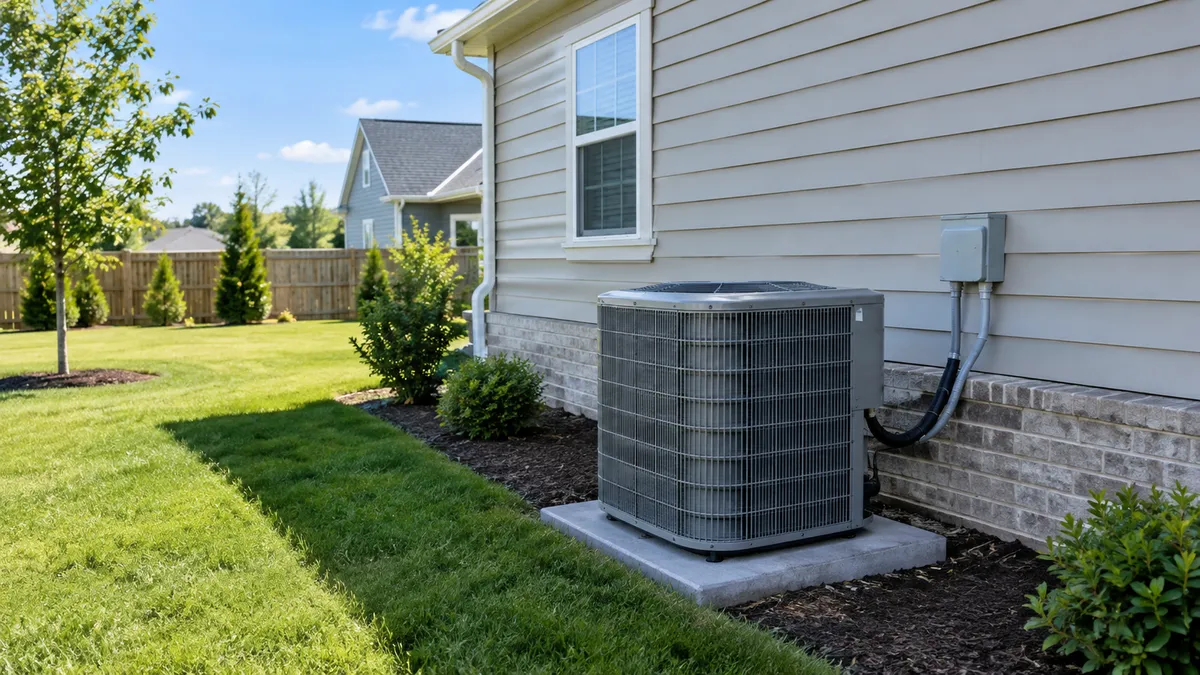
HVAC stands for heating, ventilation, and air conditioning. It’s the system that warms your home in winter, cools it in summer, and keeps fresh, filtered air moving year-round. Whether you have a furnace and central air, a heat pump, or a few wall-mounted mini-splits, every HVAC system works by moving heat and air from where you don’t want it to where you do. Knowing how yours works makes it easier to keep it running, talk to a technician, and choose the right replacement.
What Each Part of HVAC Means
Heating
The “H” covers any equipment that adds heat to your home. A furnace burns gas, propane, or oil—or uses electric elements—to warm air, then a blower pushes that air through the ducts. A heat pump uses electricity to pull heat from outdoor air or the ground and move it indoors. A boiler heats water that flows through radiators or tubing under the floor.
Ventilation
Ventilation swaps stale indoor air for fresh air and moves it through the house. It includes the ductwork, supply and return vents, bathroom and kitchen exhaust fans, and—in tighter, newer homes—an energy recovery ventilator (ERV) or heat recovery ventilator (HRV). Good ventilation controls moisture, odors, and indoor pollutants.
Air Conditioning
Air conditioning removes heat and humidity. Refrigerant absorbs heat at an indoor coil, travels to an outdoor unit, and releases that heat outside. The moisture pulled from the air drips off the indoor coil into a drain line.

Main Parts of an HVAC System
- Thermostat: Tells the system when to heat or cool.
- Furnace or air handler: Holds the blower fan and, with a furnace, the heat source.
- Outdoor unit: An AC condenser or heat pump with the compressor and a large coil.
- Evaporator coil: Sits on top of the furnace and absorbs heat and moisture from the air.
- Refrigerant lines: Two copper lines connecting the indoor and outdoor units.
- Ductwork and vents: Carry air to each room and back to the system.
- Air filter: Catches dust, pollen, and pet hair before they reach the equipment.
Types of HVAC Systems
Split System (Furnace and Central Air)
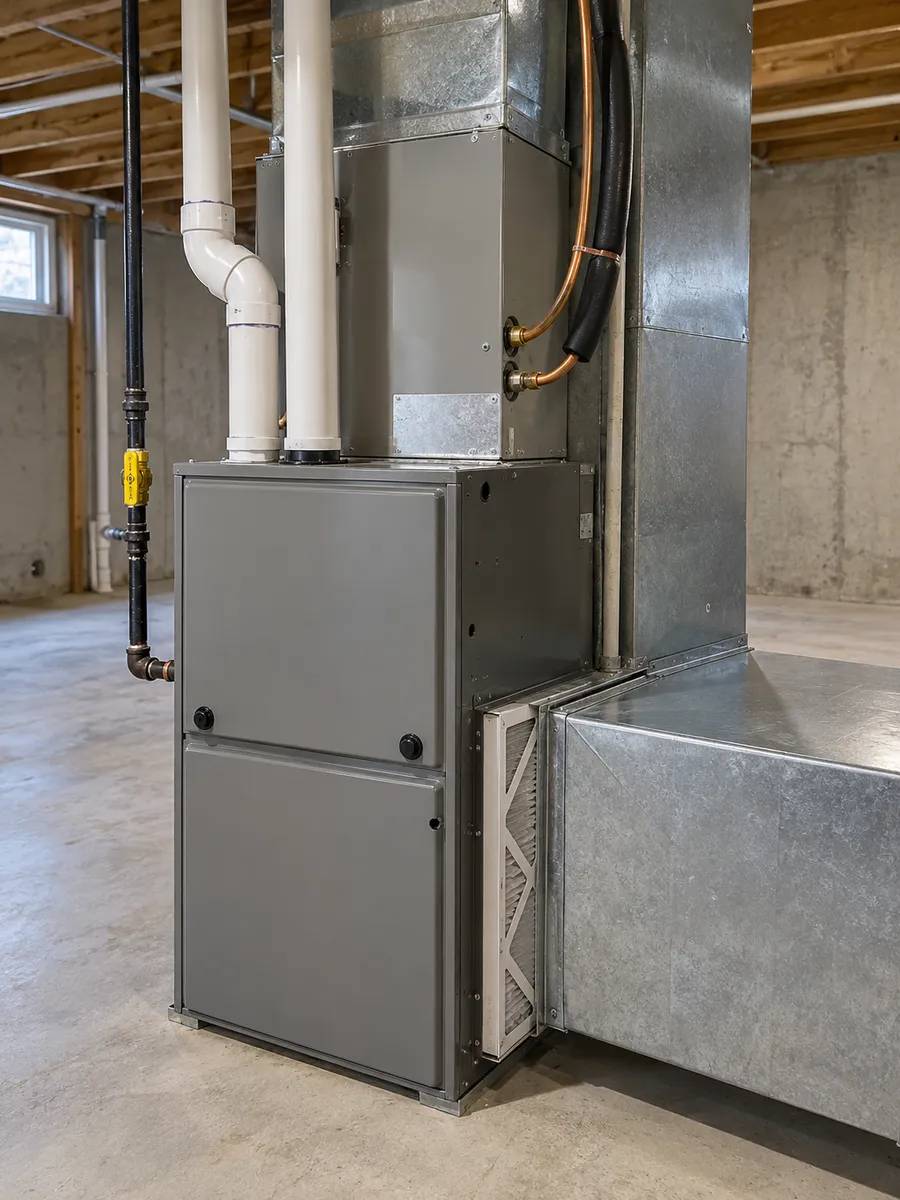
Best for: Homes that already have ductwork
This is the most common setup in U.S. homes. A gas or electric furnace sits indoors in a basement, closet, or attic, with an evaporator coil on top. An air conditioner outside connects to the coil through refrigerant lines. In winter the furnace heats; in summer the AC cools, and both share the same blower and ducts.
Pros
- Heats and cools the whole house evenly
- Gas furnaces deliver strong heat in cold climates
- Widely available parts and technicians
Cons
- Needs ductwork, which can leak and lose energy
- Two separate machines to maintain
Heat Pump System
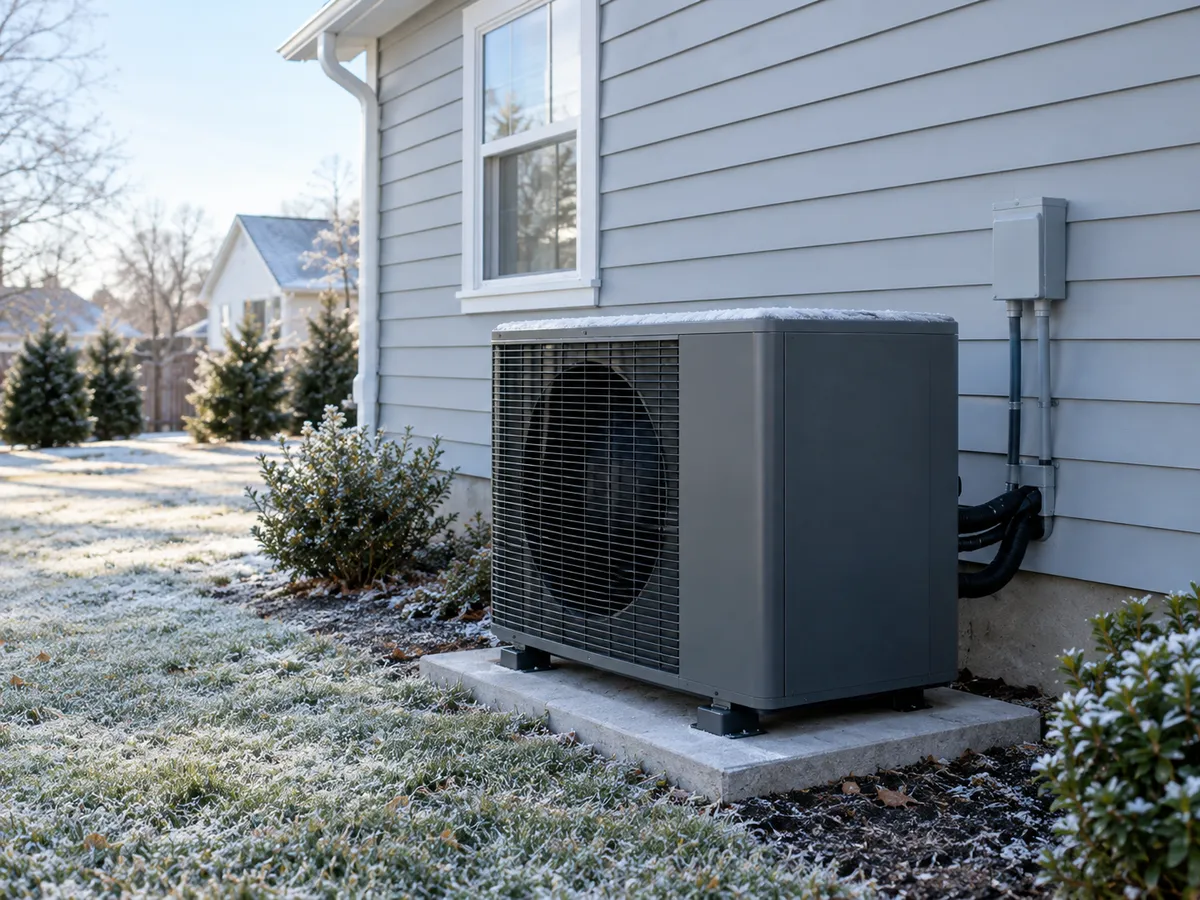
Best for: Mild to moderate climates and all-electric homes
A heat pump looks like a central AC unit but runs in both directions. In summer it moves heat out of the house; in winter it reverses and moves heat in. Modern cold-climate models keep working well below freezing, and an indoor air handler with backup electric strips covers the coldest days.
Pros
- One machine for heating and cooling
- Very efficient—often two to three times more efficient than electric resistance heat
- No combustion, so no carbon monoxide risk
Cons
- Older or basic models lose output in very cold weather
- Higher upfront cost than a basic AC
Ductless Mini-Split
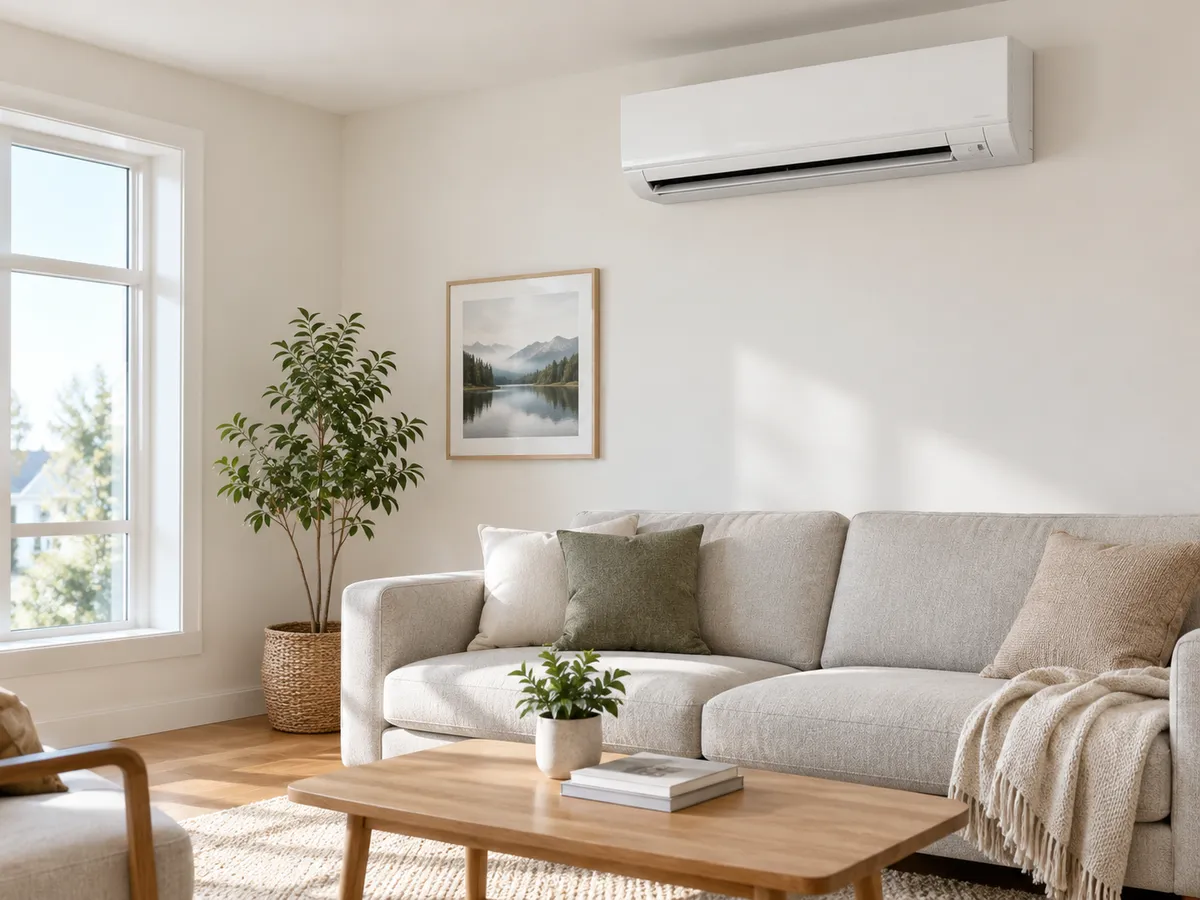
Best for: Additions, garages, older homes without ducts
A mini-split is a heat pump with an outdoor unit connected to one or more indoor “heads” mounted on walls or ceilings. Only a small hole is needed for the refrigerant line, and each head has its own temperature setting.
Pros
- No ductwork needed, so no duct energy loss
- Room-by-room temperature control
- Quiet and highly efficient
Cons
- Indoor heads are visible on the wall
- Whole-home systems with many heads get expensive
Packaged Unit
Best for: Homes without basements or attic space
All the components—compressor, coils, blower, and sometimes a gas furnace—are in one cabinet that sits outside on a slab or roof. Ducts run through the wall or roof into the house.
Pros
- Frees up indoor space
- All service happens outdoors
Cons
- Fully exposed to weather, which can shorten its life
- Fewer high-efficiency options
Hybrid (Dual-Fuel) System
Best for: Cold climates where gas is available
A heat pump handles cooling and most heating, and a gas furnace takes over automatically when temperatures drop too low for the heat pump to work efficiently.
Pros
- Lower heating bills than gas alone in mild weather
- Reliable heat on the coldest days
Cons
- Highest equipment cost of the common systems
- Two heat sources to maintain
Geothermal Heat Pump
Best for: Homeowners planning to stay long-term
A geothermal system circulates fluid through pipes buried in the ground, where temperatures stay steady year-round, and uses that stable temperature to heat and cool the house.
Pros
- The most efficient option available
- Underground loops can last 50 years or more
- May qualify for federal tax credits
Cons
- Very high installation cost because of drilling or trenching
- Not practical on every lot
How Long Do HVAC Systems Last?
- Gas furnace: 15 to 20 years
- Central air conditioner: 12 to 17 years
- Heat pump: 10 to 15 years
- Ductless mini-split: 15 to 20 years
- Ductwork: 20 years or more
Salty coastal air, very long cooling seasons, and skipped maintenance all shorten these numbers.
How to Choose an HVAC System
- Start with your ducts. If you have good ductwork, a split system or ducted heat pump is usually the simplest choice. No ducts? Look at mini-splits.
- Consider your climate. Long, cold winters favor a gas furnace or dual-fuel system; mild climates are ideal for heat pumps.
- Check fuel availability and prices. Compare local gas and electricity rates.
- Get a load calculation. Start with our free BTU calculator for a rough estimate, then ask contractors for a Manual J calculation instead of sizing by square footage alone. An oversized system short-cycles and leaves the house humid.
- Compare efficiency ratings. Look at SEER2 for cooling, HSPF2 for heat pump heating, and AFUE for furnaces. Higher numbers mean lower bills.
- Look for rebates. Utilities and federal programs often offer incentives for heat pumps and high-efficiency equipment.
Simple HVAC Maintenance
- Change the air filter every one to three months.
- Keep two feet of clear space around the outdoor unit and rinse the coil each spring.
- Keep vents open and free of furniture and rugs.
- Pour a cup of white vinegar into the AC condensate drain line a few times a year.
- Book a professional tune-up once a year—cooling in spring, heating in fall.
Frequently Asked Questions
Is HVAC the same as AC?
What does an HVAC technician do?
What does HVAC-R mean?
What is the most common HVAC system in the U.S.?
Related Guides
Sources: U.S. EPA – Section 608 Technician Certification; ENERGY STAR – Air-Source Heat Pumps.


