The safe way to connect a generator to your house is through a transfer switch or a panel interlock kit with a power inlet box, installed by a licensed electrician. You then run a heavy-duty generator cord from the generator (placed outdoors, at least 20 feet from the house) to the inlet, start the generator, and switch your circuits over. Never plug a generator into a wall outlet with a “suicide” double-male cord—this backfeeds the grid, can electrocute utility workers, and can start a fire.
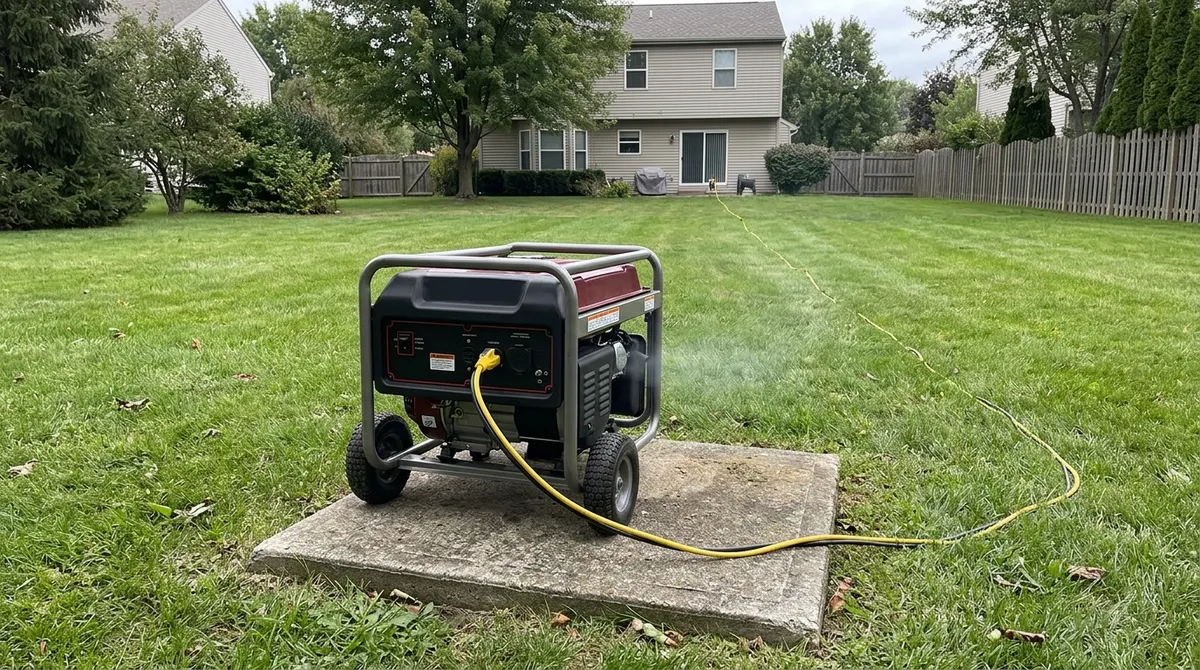
3 Ways to Power Your House With a Generator
| Method | How it works | Typical installed cost | Safety |
|---|---|---|---|
| Extension cords | Plug appliances straight into the generator | $50–$150 for cords | Safe if heavy-duty, outdoor-rated |
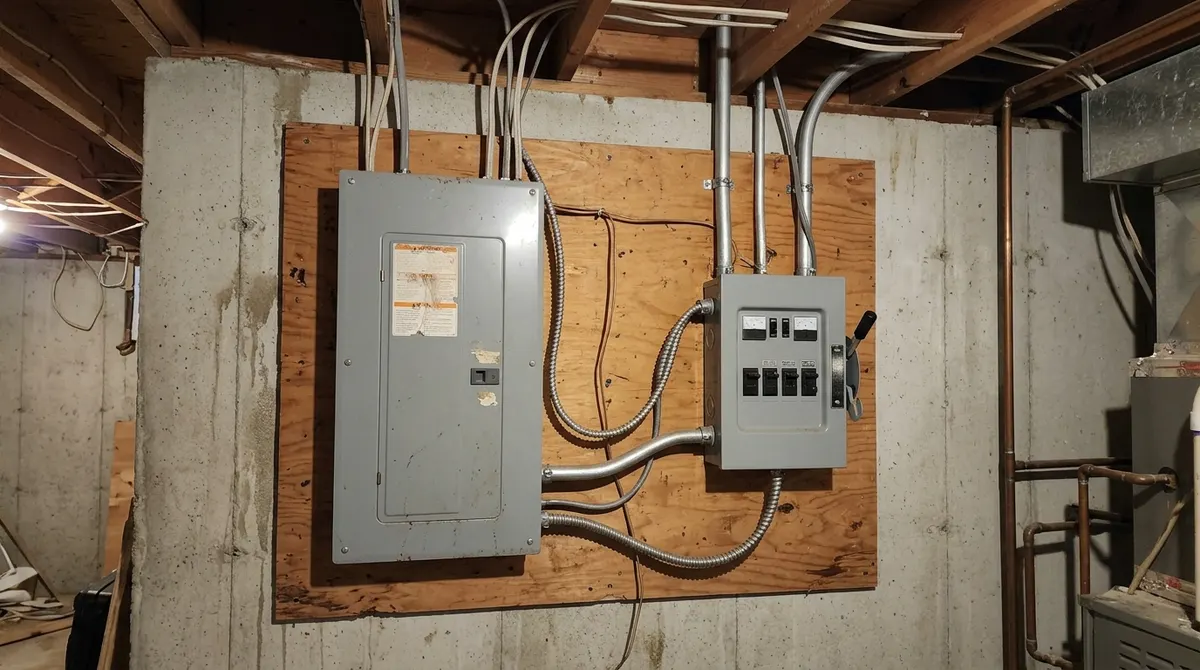
| Interlock kit + inlet | Mechanical slide prevents main and generator breakers being on together | About $500–$1,500 | Safe, code-approved when properly installed |
| Manual transfer switch | Separate subpanel switches selected circuits | About $800–$2,000 | Safe, simple to operate |
| Backfeeding via outlet | Double-male cord into a wall outlet | — | Dangerous and illegal—never do this |
What You Need
- Generator sized for your essential loads
- Transfer switch or interlock kit (installed by an electrician)
- Exterior power inlet box rated to match the generator outlet (e.g., 30A L14-30 or 50A 14-50)
- Generator cord of the matching rating and gauge
- Carbon monoxide alarms and a fuel storage plan
Step by Step: Connecting Through an Inlet Box
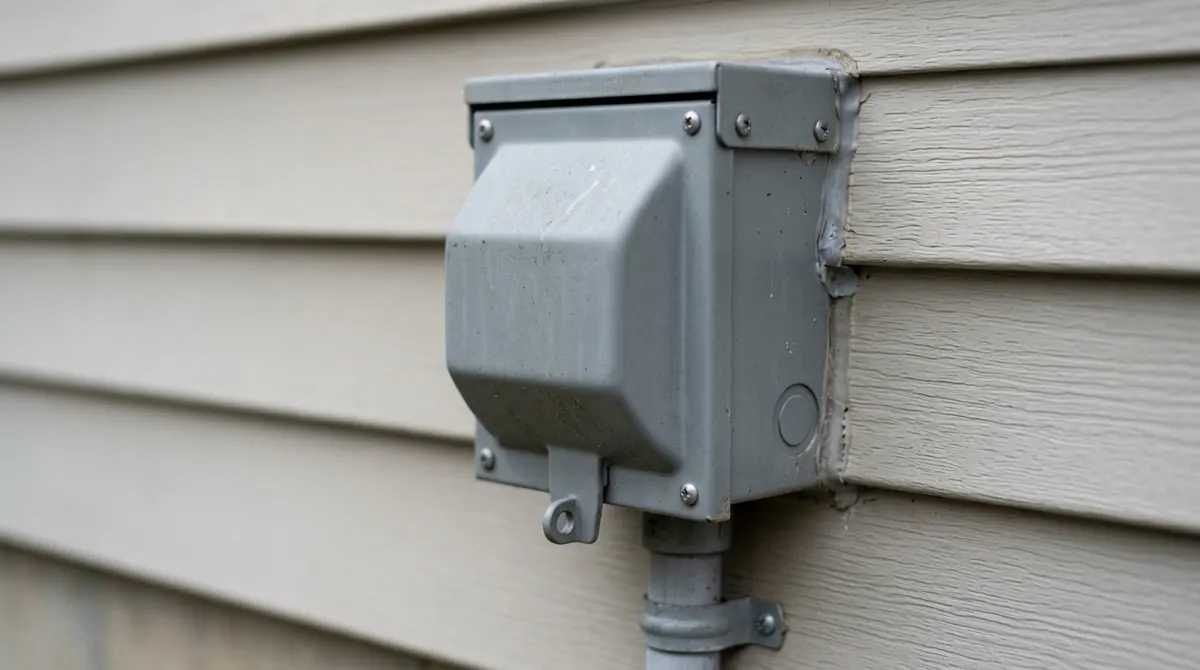
- Place the generator outdoors on level ground, at least 20 feet from the house, with the exhaust pointing away.
- With the generator off, connect the generator cord to the generator and then to the inlet box.
- Start the generator and let it warm up for a minute or two.
- At the panel, turn off the utility main breaker (interlock) or set the transfer switch to “Generator.”
- Turn on the generator breaker, then switch on essential circuits one at a time to avoid overloading.
- When utility power returns, reverse the steps: circuits off, back to utility, then shut down the generator and unplug.
How Big a Generator Do You Need?
Add the running watts of what you want to power, then allow for the extra starting (surge) watts of motors. Typical needs:
- Refrigerator: about 700 running / 2,200 starting watts
- Sump pump (1/2 hp): about 1,000 / 2,000 watts
- Furnace fan: about 500–800 running watts
- Lights, phone chargers, Wi-Fi: a few hundred watts
- Well pump or central A/C: 2,000–5,000+ watts
A 5,000–7,500 W portable generator covers most essentials; whole-home power usually needs a standby generator. Estimate running costs with our electricity calculator below.
Transfer Switch vs Interlock Kit
Pros
- Interlock: cheapest code-approved option, use any circuit
- Transfer switch: simplest to operate, harder to overload
- Both prevent backfeeding the grid
Cons
- Interlock: you must manage loads manually
- Transfer switch: limited to pre-wired circuits
- Both require a licensed electrician and often a permit